
TL;DR

Get everyday essentials delivered free — and shop member deals
- Fast, free delivery on millions of items
- Access to Prime Big Deal Days deals on October 6–7
- Prime Video, Amazon Music and more included
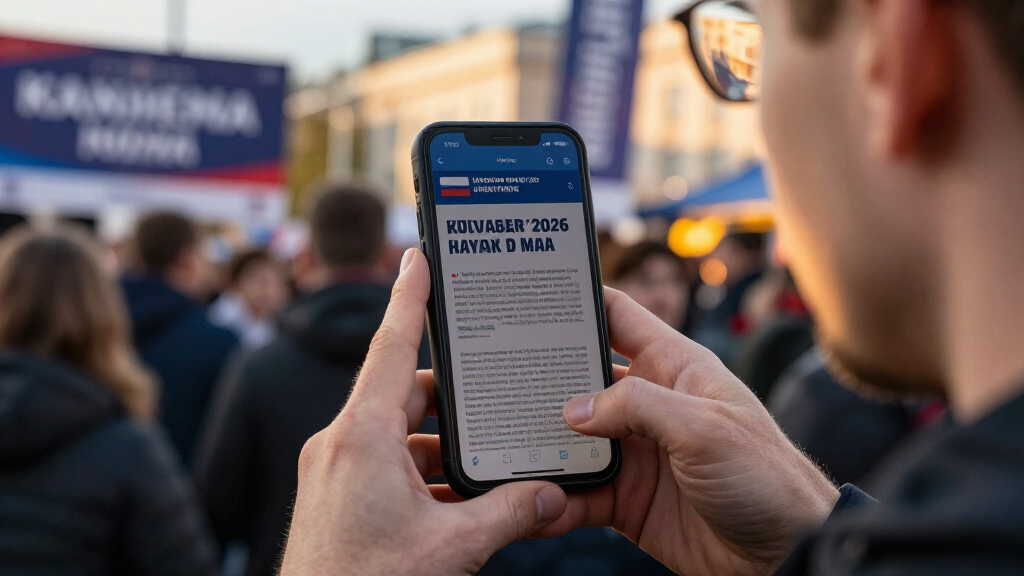
Recent investigations and leaked data indicate that Russia’s 2026 State Duma elections were marred by widespread irregularities. Experts describe these as the most corrupt elections of Putin’s era, raising questions about electoral integrity.
Evidence has surfaced indicating that Russia’s 2026 State Duma elections involved extensive misconduct, marking them as the most corrupt parliamentary vote during Vladimir Putin’s tenure. This development comes amid increasing scrutiny of Russia’s electoral processes and raises concerns about the legitimacy of the election results. For more context, see analyst Ivan Shukshin’s insights on election irregularities.
Several independent analysts and leaked documents suggest widespread violations during the 2026 elections, including ballot stuffing, voter intimidation, and manipulation of vote counts. These claims are supported by data from election monitoring groups and anonymous sources within electoral commissions, which allege systemic misconduct designed to favor pro-government candidates.
Official Russian authorities have denied allegations of fraud, asserting that the elections were free and fair. However, the evidence compiled by opposition groups and international observers indicates a pattern of irregularities that surpass previous election scandals in scale and severity. You can find more about recent election protests and reports in photos of Russians abroad holding peace rallies.
Some leaked internal communications from electoral officials suggest coordination to inflate vote counts in key regions, especially in areas with historically low turnout. This has fueled accusations that the election was fundamentally compromised, undermining the democratic process and raising doubts about the legitimacy of the results. For ongoing coverage, see the analysis of Moscow precinct results.
Why the 2026 Elections Mark a Turning Point in Electoral Integrity
This development is significant because it suggests that Russia’s electoral system may have reached a new low in terms of transparency and fairness. If confirmed, these irregularities could undermine public trust in the political process and further entrench authoritarian practices. The 2026 elections could set a precedent for future electoral conduct, impacting Russia’s domestic legitimacy and international reputation.
Moreover, the scale of misconduct raises questions about the stability of Russia’s political system and the potential for increased unrest or international sanctions if such practices are viewed as systemic and ongoing. For opposition groups and international observers, these findings could intensify calls for electoral reforms and greater oversight.
As an affiliate, we earn on qualifying purchases.
Background of Electoral Controversies in Russia
Russia’s elections have long been criticized for irregularities, with previous reports of ballot stuffing, media bias, and intimidation. The 2011-2012 protests, in particular, highlighted widespread dissatisfaction with electoral fairness. Despite reforms and international criticism, allegations of misconduct have persisted, often increasing during tightly contested or high-stakes elections.
The 2026 elections occurred amid heightened political tension, with opposition figures and independent monitors warning of potential manipulation. Previous electoral cycles saw accusations of vote rigging, but the scale and systemic nature of the alleged misconduct in 2026 appear to surpass earlier incidents, according to leaked reports and independent analyses.
This trend of increasing irregularities coincides with broader concerns about democratic backsliding in Russia, where government control over media and electoral institutions has been strengthened over the past decade.
As an affiliate, we earn on qualifying purchases.
Unverified Claims and Ongoing Investigations
While multiple sources present compelling evidence of irregularities, official Russian authorities deny any wrongdoing, and some claims remain unverified. The full scope of the misconduct is still being investigated, and independent verification is limited by access restrictions and potential government interference. It is not yet clear whether the alleged systemic fraud was centrally coordinated or localized to specific regions.
As an affiliate, we earn on qualifying purchases.
Next Steps in Electoral Oversight and International Response
Further investigations by international observers and domestic watchdogs are expected to clarify the extent of the misconduct. Legal challenges and calls for electoral reform may increase within Russia, though government resistance is likely. Additionally, international bodies may scrutinize Russia’s electoral integrity more closely, potentially leading to diplomatic or economic repercussions if systemic fraud is confirmed.
Monitoring groups are preparing to release detailed reports, and opposition parties are expected to push for reforms or legal action, although their chances of success remain uncertain amid ongoing political repression.
election transparency monitoring equipment
As an affiliate, we earn on qualifying purchases.
As an affiliate, we earn on qualifying purchases.
Key Questions
What specific irregularities have been reported in the 2026 elections?
Reports include ballot stuffing, voter intimidation, manipulation of vote counts, and the use of administrative resources to influence outcomes. These claims are supported by leaked documents and independent analyses.
Has the Russian government acknowledged these allegations?
No, Russian authorities have denied any misconduct, asserting that the elections were conducted legally and transparently.
Why are these elections considered the dirtiest of Putin’s era?
According to analysts and leaked evidence, the scale and systemic nature of irregularities in 2026 surpass previous election scandals, indicating a significant decline in electoral integrity during Putin’s tenure.
Could these irregularities affect Russia’s international relations?
Yes, if confirmed, widespread electoral fraud could damage Russia’s reputation and lead to increased sanctions or diplomatic pressure from Western countries and international organizations.
Source: rss
Fall Picks
fall essentials
As an affiliate, we earn on qualifying purchases.