
To treat dark circles, start by addressing lifestyle factors like sleep deprivation and dehydration. Incorporate hydrating ingredients like hyaluronic acid and brightening agents such as vitamin C in your skincare routine. Injectable treatments like hyaluronic acid fillers can provide immediate results, while advanced procedures like laser treatments target pigmentation. Don’t forget the role of genetics and allergies, too. There’s more to uncover about effective treatments and prevention methods, so keep exploring your options.
Key Takeaways
- Genetics and lifestyle factors like sleep deprivation and dehydration significantly contribute to the formation of dark circles.
- Topical treatments such as retinol and vitamin C can improve skin texture and brighten the under-eye area.
- Injectable options like hyaluronic acid fillers provide immediate volume and smoother appearance under the eyes.
- Advanced procedures, including laser treatments and chemical peels, effectively target pigmentation and enhance skin quality.
- Implementing lifestyle changes, such as staying hydrated and improving sleep quality, can help prevent dark circles.
If you’ve ever looked in the mirror and noticed dark circles under your eyes, you’re not alone; this common cosmetic concern affects many people worldwide. Understanding the causes is the first step toward effective treatment.
Genetics can play a significant role, as some people inherit this trait from their families. Allergies and sinus issues can also contribute, causing increased blood flow that leads to dark discoloration and puffiness. Lifestyle factors like sleep deprivation, smoking, and dehydration can exacerbate the problem, while aging makes the skin thinner, making those circles even more prominent. Skin aging significantly increases the visibility of blood vessels, making dark circles more apparent. Regular use of products with glycolic acid can enhance skin texture, which may help in reducing the prominence of dark circles.
Genetics, allergies, and lifestyle factors all contribute to the common issue of dark circles under the eyes.
Once you identify the cause, you can explore various treatment options. For topical treatments, consider using products with retinol, which improves skin texture and reduces pigmentation. Vitamin C is another great option, as it brightens the skin and helps diminish dark circles. Hyaluronic acid hydrates the area, filling in fine lines and giving a more youthful appearance.
Anti-inflammatory creams can be effective for treating post-inflammatory hyperpigmentation, while niacinamide enhances skin elasticity and reduces inflammation.
If you’re looking for more immediate results, injectable treatments might be the way to go. Hyaluronic acid fillers like Restylane or Juvederm can fill in under-eye hollows and smooth the area. Platelet-rich plasma (PRP) therapy stimulates collagen production, improving overall skin texture. For a more invasive solution, fat transplantation can add volume to the area.
Laser and light treatments, such as fractional laser resurfacing and chemical peels, can target pigmentation irregularities and enhance skin texture. Minimally invasive procedures like microneedling and radiofrequency treatments can also boost collagen production and tighten the skin.
Lastly, lifestyle changes can help prevent dark circles. Staying hydrated, prioritizing sleep quality, and managing allergies can make a noticeable difference. By taking these steps, you can help reduce the appearance of dark circles and feel more confident in your skin.

L'Oreal Paris Revitalift Hyaluronic Acid + Caffeine Hydrating Eye Serum for Dark Circles, Fragrance Free .67 fl. oz + Moisturizer Sample
Moisturizing Eye Serum: This serum noticeably reduces the appearance of dark circles, crow's feet wrinkles, leaving eyes looking…
As an affiliate, we earn on qualifying purchases.
As an affiliate, we earn on qualifying purchases.
Frequently Asked Questions
Are Dark Circles a Sign of Serious Health Issues?
Dark circles aren’t usually a sign of serious health issues. They’re often linked to genetics, aging, fatigue, or lifestyle choices.
While they can indicate conditions like allergies or anemia in some cases, most of the time, they’re just a cosmetic concern.
If you notice sudden changes or worsening circles, it might be worth consulting a healthcare professional.
But generally, you shouldn’t worry too much about them affecting your overall health.
How Can Lifestyle Changes Affect Dark Circles?
Lifestyle changes can significantly impact dark circles. By improving your sleep quality and ensuring you get 7-8 hours of rest, you’ll reduce fatigue.
Staying hydrated and eating a balanced diet, rich in essential vitamins, also helps. Regular exercise boosts circulation, while managing stress lowers skin issues.
Avoiding excessive screen time and protecting your skin from the sun can further prevent dark circles.
Simple adjustments can lead to noticeable improvements in your appearance.
What Role Does Genetics Play in Dark Circles?
Genetics plays a significant role in dark circles, influencing melanin production, skin thickness, and pigmentation.
You might inherit genes like TYRP1 and HERC2, affecting how much melanin your skin produces and its distribution.
If your family has a history of dark circles, you’re more likely to experience them too.
While you can’t change your genetics, understanding their impact can guide you in managing and reducing the appearance of dark circles effectively.
Can Diet Impact the Appearance of Dark Circles?
Yes, your diet can significantly impact the appearance of dark circles. When you lack essential nutrients like iron and vitamin K, your skin might look pale, making dark circles more prominent.
Incorporating dark leafy greens, whole grains, nuts, and lean proteins can nourish your skin. Avoiding sugary snacks, processed foods, and excessive caffeine will help reduce inflammation.
Staying hydrated and maintaining a balanced diet can also improve your overall skin health and minimize dark circles.
Are There Specific Sleep Positions That Help Reduce Dark Circles?
Imagine your eyes as delicate flowers; if you let them sit in stagnant water, they droop.
To reduce dark circles, sleep on your back with your head elevated. This position lets gravity work for you, preventing fluid buildup and puffiness.
Regularly switching to this position can improve circulation and keep your eyes looking fresh.
Pair this with hydration and a consistent sleep schedule, and you’ll be nurturing your floral beauty overnight.

CeraVe Skin Renewing Vitamin C Eye Cream, Vitamin C, Hyaluronic Acid, Ceramides & Caffeine, Under Eye Cream For Dark Circles and Puffiness, Fragrance Free & Ophthalmologist Tested, 0.5 Fl. Oz
[ 5% PURE VITAMIN C EYE CREAM ] Dark circle eye cream helps visibly brighten and provide antioxidant…
As an affiliate, we earn on qualifying purchases.
As an affiliate, we earn on qualifying purchases.
Conclusion
As you stand in front of the mirror, you might notice those pesky dark circles staring back at you, a reminder of sleepless nights. But don’t worry, you’re not alone in this battle. With the right treatments and a little self-care, you can brighten your under-eye area and boost your confidence. Coincidentally, as you embrace these tips, you’ll find that a little effort can lead to a lot of transformation, making you feel refreshed and rejuvenated.

RoC Retinol Correxion Wrinkle Filler for Deep Wrinkles with Hyaluronic Acid & Retinol, Skin Care for Women and Men, 1 Fl Oz (Packaging May Vary)
SCIENCE & BEAUTY: We produce a wide array of skin care products & treatments including this RoC wrinkle…
As an affiliate, we earn on qualifying purchases.
As an affiliate, we earn on qualifying purchases.
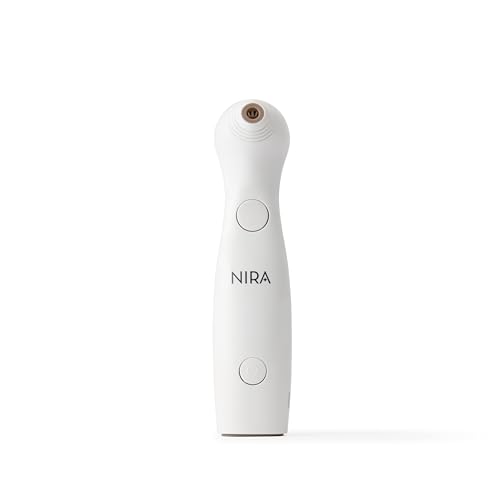
NIRA Precision Laser – FDA-Cleared At-Home Wrinkle Reduction Device for Eyes & Mouth, Targeted Collagen-Stimulating Laser, Pain-Free, Clinically Proven
FDA-Cleared Clinical Results: Clinically proven wrinkle reduction technology designed for safe and effective at-home use
As an affiliate, we earn on qualifying purchases.
As an affiliate, we earn on qualifying purchases.