
Japandi style blends Japanese minimalism with Scandinavian coziness to create a calm, functional space. You’ll find sleek furniture, natural materials like light wood and stone, and a neutral color palette that promotes tranquility. The design emphasizes simplicity, organization, and well-chosen decor that’s both beautiful and practical. This style encourages peaceful living by balancing refinement with comfort. If you’re curious, you’ll discover how to bring this harmonious aesthetic into your home.
Key Takeaways
- Combines Japanese minimalism with Scandinavian coziness for a calm, functional, and uncluttered home.
- Uses natural materials like light woods, stone, and woven textiles to create a warm, organic feel.
- Emphasizes neutral color palettes inspired by nature, with subtle accents for contrast.
- Features minimalist furniture with clean lines, maximizing natural light and promoting tranquility.
- Incorporates simple, high-quality decor that balances elegance and comfort for a cohesive aesthetic.
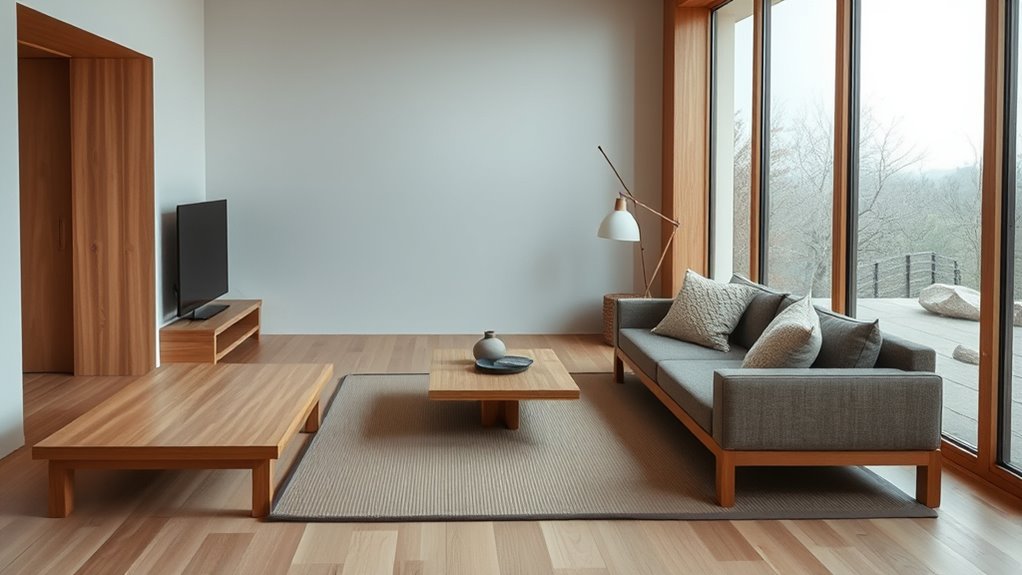
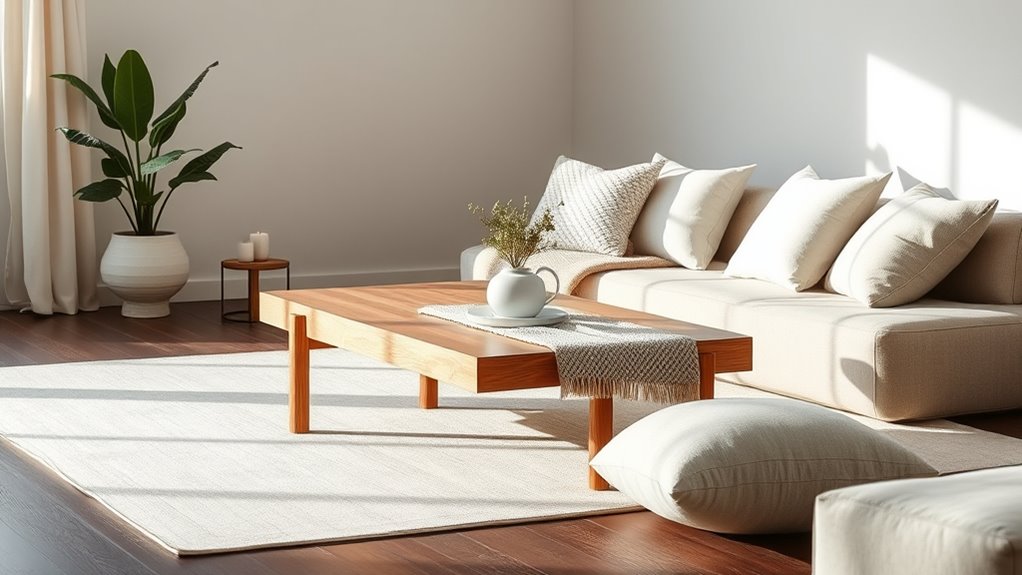
Japandi style seamlessly blends the clean lines and minimalist aesthetic of Japanese design with the warm, cozy elements of Scandinavian decor. When you embrace this style, you’re choosing a look that emphasizes simplicity, functionality, and tranquility. Central to Japandi is the use of minimalist furniture, which means pieces are sleek, unobtrusive, and designed to serve a purpose without unnecessary ornamentation. These furniture choices often feature straight lines and subtle curves, allowing your space to feel open and uncluttered. You’ll find that this approach creates a calming atmosphere where each item has a clear role, making your home feel organized and intentional. Incorporating simple decor that reflects both influences further enhances the harmonious vibe. Natural materials are a cornerstone of Japandi style. You’ll want to incorporate elements like light-colored woods, stone accents, and woven textiles, which bring warmth and texture into your space. These materials connect your home to nature, evoking a sense of serenity and grounding. Think of a low-profile wooden coffee table, furniture crafted from ash or oak, or linen and wool textiles that add softness and comfort. Using natural materials not only enhances the aesthetic but also promotes sustainability, aligning with the Japanese appreciation for craftsmanship and Scandinavian love for eco-friendly living.
Japandi combines Japanese minimalism with Scandinavian coziness for a calm, functional, and uncluttered home.
The color palette in Japandi is typically neutral, with shades inspired by nature—think soft beiges, warm greys, and muted browns. These colors serve as a calming backdrop, allowing your natural materials and minimalist furniture to stand out. You can add subtle accents of black or deep green for contrast, but the overall goal is to create a peaceful, cohesive environment. Light plays an essential role here; large windows and minimal window coverings maximize natural light, which further enhances the airy, uncluttered feel.
In your space, you’ll want to keep accessories minimal. Choose a few well-chosen decorative items like a ceramic vase, a simple piece of art, or a cozy throw blanket. These accents should complement the overall aesthetic without overwhelming it. The focus remains on quality over quantity, so investing in well-made pieces that age beautifully will serve you well. The harmony between the Japanese emphasis on simplicity and the Scandinavian focus on comfort creates a balanced environment that feels both refined and inviting.

Japandi Style: When Japanese and Scandinavian Designs Blend
As an affiliate, we earn on qualifying purchases.
As an affiliate, we earn on qualifying purchases.
Frequently Asked Questions
How Can I Incorporate Japandi Style Into a Small Space?
To incorporate Japandi style into a small space, focus on space-saving furniture that maximizes functionality without clutter. Use minimalist decor with clean lines, neutral tones, and natural materials to create a calming atmosphere. Keep surfaces clear and avoid excess accessories. Incorporate low-profile furniture and built-in storage solutions to make the space feel open. This approach helps you achieve the serene, balanced look characteristic of Japandi design while optimizing your limited area.
What Are the Best Color Palettes for Japandi Interiors?
You should choose neutral tones and earthy hues for your Japandi interior. Opt for soft beiges, warm grays, and muted browns to create a calming atmosphere. Incorporate natural colors like olive green, clay, or stone to add warmth and depth. These palettes emphasize simplicity and harmony, helping your space feel serene and balanced. Keep the colors subtle and cohesive to maintain the minimalist, tranquil vibe characteristic of Japandi style.
Is Japandi Suitable for Outdoor Living Areas?
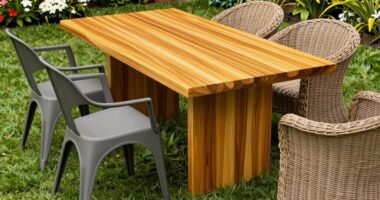
Yes, japandi is suitable for outdoor living areas. You can incorporate outdoor furniture with weather-resistant materials to sustain the sleek, minimalist aesthetic. Opt for natural wood finishes and neutral tones to keep the design cohesive with the indoor style. Keep the space simple and clutter-free, emphasizing harmony with nature. This approach guarantees your outdoor area remains stylish, functional, and true to japandi principles.
How Do I Balance Functionality and Aesthetics in Japandi Design?
You should focus on balancing functionality and aesthetics in Japandi by keeping minimalist clutter to maintain clean, serene spaces. Use natural materials like wood, linen, and stone to create warmth and harmony. Prioritize simple, practical furniture that serves your needs while enhancing the aesthetic. Avoid unnecessary decorations, and opt for subtle, thoughtful design choices. This approach guarantees your space remains both beautiful and highly functional.
Can Japandi Style Be Combined With Other Interior Design Styles?
Yes, you can combine Japandi style with other interior design styles by creating a fusion decor or eclectic mix. To do this, blend Japandi’s minimalism and natural materials with elements from styles like industrial, bohemian, or modern. Focus on maintaining harmony and balance, so the space feels cohesive. Use neutral tones, clean lines, and simple textures as a unifying thread across different styles for a seamless look.

Honyee Morden Coffee Table, 42.5" x 28.5" x 16.1" Triangle Tempered Glass Top for Living Room, Color: Natural Wood
Elegant Design: This coffee table features a sleek, modern design with a tempered glass triangle top and MDF…
As an affiliate, we earn on qualifying purchases.
As an affiliate, we earn on qualifying purchases.
Conclusion
Imagine walking into a space where the warm glow of natural light dances across sleek, minimalist furniture, blending the calm serenity of Japanese design with the cozy simplicity of Scandinavian style. Japandi creates a peaceful haven, inviting you to relax and breathe. With its harmonious balance of textures and clean lines, you feel instantly at home—surrounded by tranquility and understated elegance. It’s more than a look; it’s a soothing, stylish sanctuary you’ll never want to leave.

LIYOUYA Bonsai Tree Torii Gate Metal Wall Decor – Japanese Style Room Decor Black Wall Art Home Decor for Living Room, Bedroom, Dining Room (Black)
Size: This metal wall art home decor measures approximately 35 x 29 x 0.1 cm/ 13.77 x 11.41…
As an affiliate, we earn on qualifying purchases.
As an affiliate, we earn on qualifying purchases.

Linen Covered Decorative Books 4 Pieces, Neutral Home Decor Coffee Table Books with Wooden Beaded Tassel, Stacked Books for Rustic Farmhouse Modern, Boho, Bookshelf, Fireplace Mantel Décor, Sage
【Elevate Your Space】This decorative books a stunning addition to any interior space. These faux books not only serve…
As an affiliate, we earn on qualifying purchases.
As an affiliate, we earn on qualifying purchases.