
TL;DR
Ergonomic laptop backpacks are designed to support your posture, distribute weight evenly, and reduce strain. They feature padded straps, breathable materials, and protective compartments. Choosing the right one can make daily commutes healthier and more comfortable.
Carrying a laptop all day can feel like a workout — without even hitting the gym. If your backpack pulls on your shoulders or leaves your back sore, it’s time for an upgrade. The right ergonomic backpack doesn’t just carry your tech; it supports your body. That means less pain, better posture, and more focus on what matters. You’ll learn what makes a backpack truly ergonomic, recent innovations, and how to pick the perfect one for your daily grind.
Forget about sacrificing comfort for style. Today’s ergonomic backpacks blend health-conscious design with sleek looks. Whether you’re commuting, traveling, or just navigating your busy day, this guide helps you find a bag that supports your back — and your productivity.
Prioritize adjustable straps, padded support, and breathable materials when selecting an ergonomic backpack.
A well-designed backpack can cut back pain by up to 40%, especially when weight is evenly distributed.
Latest trends include tech integrations like USB ports and eco-friendly, recycled fabrics.
Always measure your torso length and load capacity to find the perfect fit for your body.
Investing in quality ergonomic support promotes long-term health and daily comfort.
What Makes an Ergonomic Backpack Truly Comfortable?
Ergonomic backpacks are built with your body in mind. Think padded shoulder straps, a ventilated back panel that keeps sweat at bay, and a shape that follows your spine’s natural curve. Imagine walking with a heavy load that feels like a breeze, not a burden. For example, a backpack with a mesh back panel allows air to circulate, preventing sweat and overheating during long commutes.
According to ergonomic experts, the key lies in weight distribution. When a backpack evenly spreads the load across your shoulders, back, and hips, you avoid fatigue and pain. Proper adjustability lets you fine-tune straps, so the bag fits like a glove, no matter your size or shape. This balanced approach reduces pressure points and minimizes the risk of developing musculoskeletal issues over time. It’s a tradeoff where comfort and health are maximized, but it requires attention to design details—poorly designed straps or an ill-fitting back panel can negate these benefits and cause discomfort or even injury.
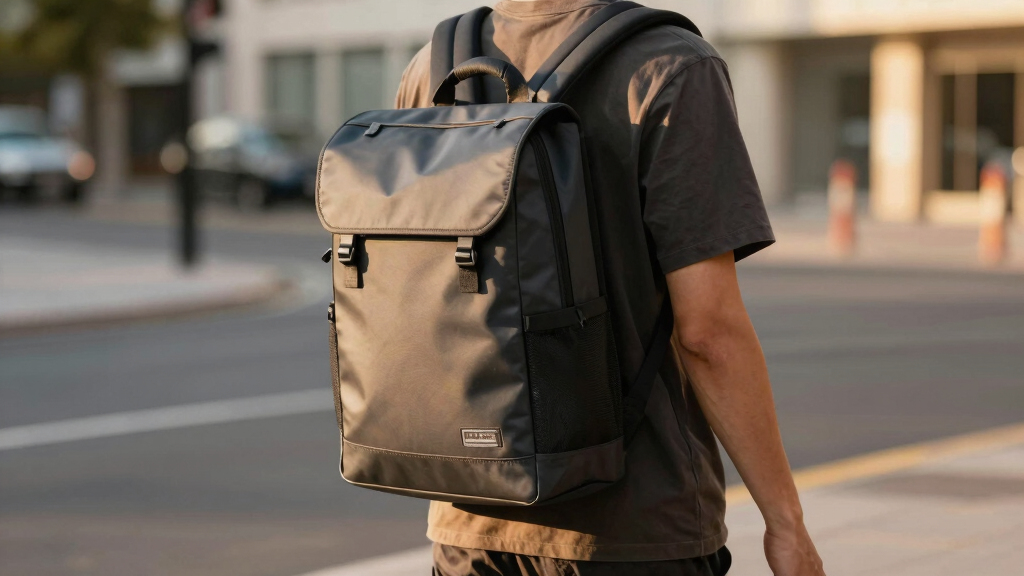
ergonomic laptop backpack with adjustable straps
As an affiliate, we earn on qualifying purchases.
As an affiliate, we earn on qualifying purchases.
How To Pick a Backpack That Supports Your Posture
- Choose adjustable straps that let you tighten or loosen for a snug fit. Proper adjustment ensures the load stays close to your body, reducing strain on your shoulders and back. Ill-fitting straps can cause uneven weight distribution, leading to discomfort or long-term postural issues.
- Look for a padded, contoured back panel designed to follow your spine’s shape. This feature provides support where it’s needed most and prevents the backpack from pressing uncomfortably against your back, which can cause pain or overheating.
- Ensure the weight is distributed evenly with multiple compartments and a sternum strap. Multiple compartments help organize your gear, preventing weight from shifting awkwardly, while a sternum strap stabilizes the load, reducing shoulder strain and maintaining posture.
- Select breathable materials to keep you cool during busy days. Breathability minimizes sweat accumulation, which can cause chafing and discomfort, especially during extended wear or in hot climates.
- Test the fit by loading it with your laptop and essentials, then walk around to see how it feels. This practical test reveals if the backpack maintains proper posture support and comfort during movement, highlighting potential issues like uneven weight or straps that slip.
For example, a professional who commutes 10 miles daily might prioritize a backpack with a padded hip belt and a ventilated back panel, reducing shoulder strain and sweat buildup. Choosing features aligned with your daily activities can prevent common postural problems and enhance overall comfort.
Remember, a backpack is an extension of your body. It should support your natural posture, not force you into awkward positions. Proper fit and support are crucial to avoid compensatory postural adjustments that could lead to pain or injury over time.
breathable back support backpack for students
As an affiliate, we earn on qualifying purchases.
As an affiliate, we earn on qualifying purchases.
Comparison: Top 5 Ergonomic Backpack Features
| Feature | Why It Matters | Examples |
|---|---|---|
| Padded Straps | Reduces shoulder pressure and discomfort by cushioning the load, preventing strain that can lead to tension headaches or shoulder pain. Well-padded straps distribute weight more evenly, decreasing localized pressure points that can cause numbness or soreness. | Memory foam shoulder straps that mold to your shape, offering customized comfort and reducing fatigue during long wear. |
| Ventilated Back Panel | Prevents sweating and overheating, which can cause skin irritation or discomfort, especially in hot weather or during extended use. Good ventilation helps maintain a comfortable temperature against your back, reducing the risk of heat rash or chafing. | Mesh-covered panels with airflow channels that promote air circulation, keeping your back dry and comfortable. |
| Multiple Compartments | Distributes weight more evenly and helps organize gear efficiently. Proper compartmentalization prevents shifting, which can destabilize your posture, and makes it easier to access essentials without overloading one area. | Dedicated laptop sleeve plus accessory pockets that keep items secure and balanced, reducing the need to carry additional bags or adjust your load repeatedly. |
| Adjustability | Allows for a personalized fit, adapting to different body types and load sizes. Proper adjustment ensures the load stays close to your center of gravity, minimizing strain and helping maintain correct posture. | Chest and waist straps, adjustable shoulder straps, and load lifters that fine-tune the fit for maximum comfort and support. |
| Durable Materials | Ensures longevity and weather resistance, reducing the need for frequent replacements and protecting your gear from environmental damage. High-quality materials also contribute to overall weight distribution and structural support. | Water-resistant nylon, reinforced stitching, and rugged zippers that withstand daily wear and unpredictable weather conditions. |
Balancing these features makes for a backpack that truly supports your body and protects your tech, but understanding the tradeoffs—such as weight versus durability or ventilation versus water resistance—is key to selecting the best fit for your needs.
tech-friendly ergonomic backpack with USB port
As an affiliate, we earn on qualifying purchases.
As an affiliate, we earn on qualifying purchases.
The Latest in Ergonomic Backpack Tech & Trends
New designs now include built-in USB ports, so you can charge devices on the go. Many backpacks feature RFID-blocking pockets, adding security during travel. Eco-friendly materials like recycled polyester and organic cotton are gaining popularity, making your bag both supportive and sustainable.
Manufacturers are also experimenting with advanced back panels that contour to your spine, and modular systems that let you customize compartments. For instance, a backpack with a removable lumbar pad can switch from a sleek city bag to a more supportive travel companion in seconds.
This innovation trend aligns with a growing awareness: a well-designed backpack can do more than carry gear — it can enhance your entire daily experience.
recycled material ergonomic laptop backpack
As an affiliate, we earn on qualifying purchases.
As an affiliate, we earn on qualifying purchases.
The Surprising Power of the Right Backpack for Your Health
Choosing an ergonomic backpack isn’t just about comfort — it’s about health. Proper support can cut back pain, neck strain, and even prevent long-term posture issues. When a backpack is designed with ergonomic principles, it encourages proper alignment of your spine and reduces uneven weight distribution that causes strain. Over time, this can prevent chronic musculoskeletal problems, improve circulation, and reduce fatigue. The implications are significant: investing in a supportive bag isn’t just about comfort; it’s a proactive step toward maintaining your musculoskeletal health and preventing injury.
For example, an office worker who switched to an ergonomic backpack with lumbar support reported a noticeable decrease in shoulder tension after just a week. It’s a simple change that pays off in energy and focus, illustrating how support and health are interconnected.
Experts recommend keeping your load under 10-15% of your body weight. For a 150-pound person, that’s around 15 pounds — enough to carry essentials without risking injury. Understanding these guidelines helps you make smarter choices, balancing your daily needs with your long-term health.
Common Questions About Ergonomic Laptop Backpacks
Q: Are ergonomic backpacks worth the investment? Absolutely. They promote better posture, reduce pain, and last longer due to quality materials.
Q: Can I find stylish options that are ergonomic? Yes. Many brands now blend sleek, modern aesthetics with ergonomic features, so you don’t have to compromise style for comfort.
Q: How do I know what size to get? Measure your torso length and choose a backpack that fits your frame. Look for adjustable straps to fine-tune the fit.
Q: Will an ergonomic backpack fit my laptop? Most designs accommodate laptops up to 17 inches, but always check the dimensions before buying.
Q: How much should I spend? Expect to pay between $50 and $150 for a well-made ergonomic backpack with advanced features.
Conclusion
Choosing the right ergonomic backpack transforms a daily chore into a health boost. It’s not just about carrying your laptop — it’s about protecting your body while staying productive. Think of your backpack as an investment in your wellbeing, not just your gear.
Next time you shop, focus on fit, support, and features that match your lifestyle. Your back will thank you — and so will your schedule, free from pain and fatigue.