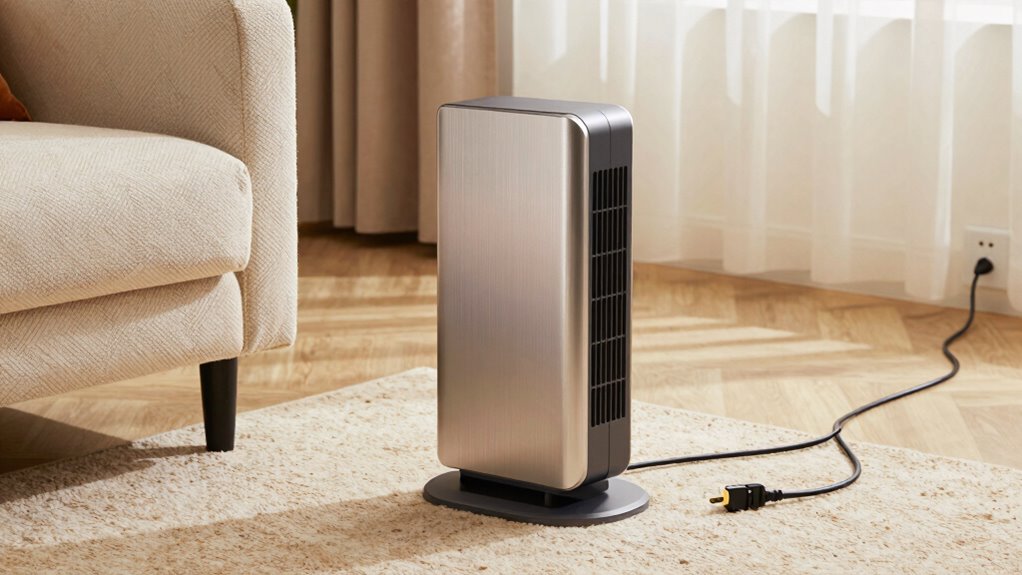

To guarantee safe placement and proper power draw for your space heater, keep it on a flat, stable surface away from furniture, curtains, and water. Maintain at least three feet of open space around it, and avoid cords running under rugs or near high-traffic areas. Always check that your outlet can handle the heater’s wattage to prevent overloads. Following these tips can help you stay safe and comfortable—if you want to learn more, keep exploring these important safety practices.
Key Takeaways
- Place space heaters on flat, stable surfaces at least three feet from furniture, curtains, and flammable objects for safety.
- Ensure the outlet can handle the heater’s wattage to prevent circuit overloads and electrical hazards.
- Use heavy-duty extension cords rated for high wattage if needed; avoid daisy-chaining multiple cords.
- Keep cords out of high-traffic areas to prevent damage and tripping risks.
- Regularly inspect electrical connections and use smoke detectors for added safety.

Givebest Portable Electric Space Heater User Guide 2026: A Step-by-Step Manual with Expert Tips for Safe and Efficient Home Heating
As an affiliate, we earn on qualifying purchases.
As an affiliate, we earn on qualifying purchases.
Why Proper Placement Is Key to Space Heater Safety
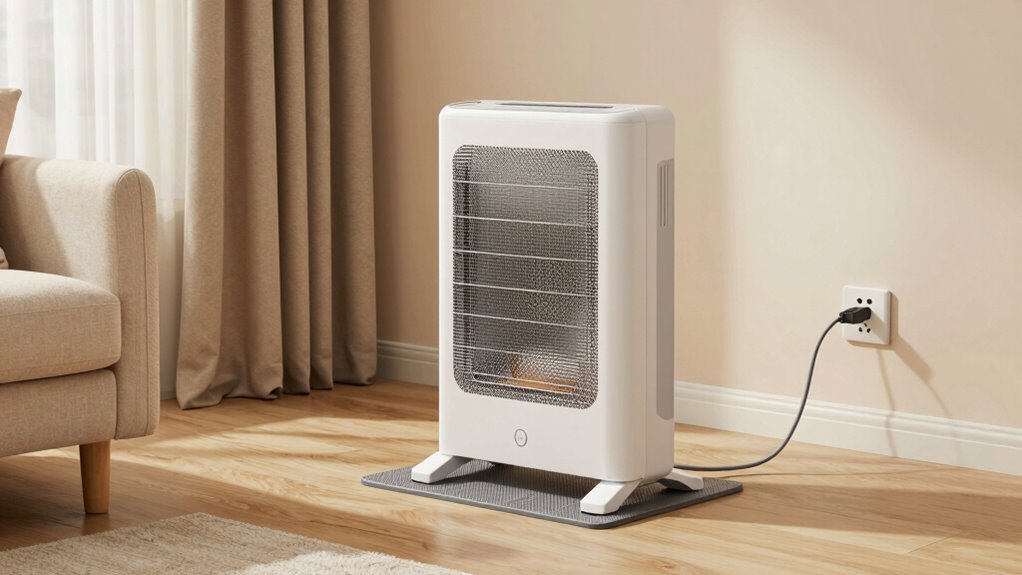
Have you ever wondered why placing your space heater correctly is so important for safety? Heater placement directly impacts safety considerations because improper positioning can cause accidents or fires. You should always keep your heater on a flat, stable surface, away from furniture, curtains, and other flammable objects. Make sure it’s not placed near water or in damp areas to prevent electrical hazards. Proper heater placement also involves maintaining adequate clearance around the unit, allowing heat to circulate safely. Avoid blocking vents or air intakes, which can cause overheating. Additionally, utilizing household safety products like smoke detectors can further enhance your safety precautions. Ensuring your heater is positioned in a safe environment helps prevent hazards and promotes efficient heating. Proper space heater placement also reduces the risk of tip-overs, a common cause of accidents. Be aware that electric hazards can occur if the heater is not correctly positioned or maintained. Additionally, regularly inspecting your heater for signs of damage can prevent potential electrical issues. By paying attention to these safety considerations, you reduce the risk of fires, burns, or electrical issues. Correct heater placement is a simple yet essential step in ensuring your space heater keeps you warm without hazards.
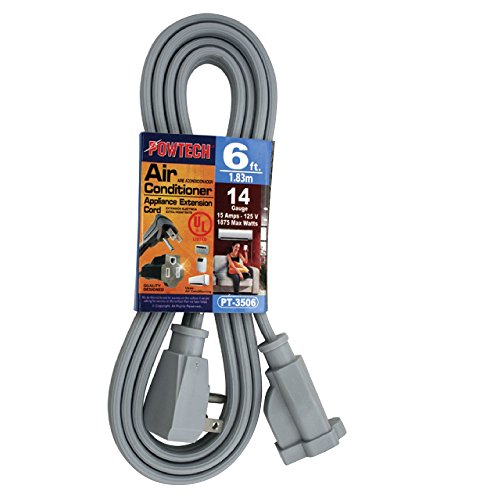
POWTECH Heavy duty 6 FT Air Conditioner and Major Appliance Extension Cord UL Listed 14 Gauge, 125V, 15 Amps, 1875 Watts GROUNDED 3-PRONGED CORD
Air Conditioner and Major Appliance Extension Cord UL Listed. Sturdy cord Ideal for plugging in large appliances such…
As an affiliate, we earn on qualifying purchases.
As an affiliate, we earn on qualifying purchases.
Understanding Your Space Heater’s Electrical Power Needs
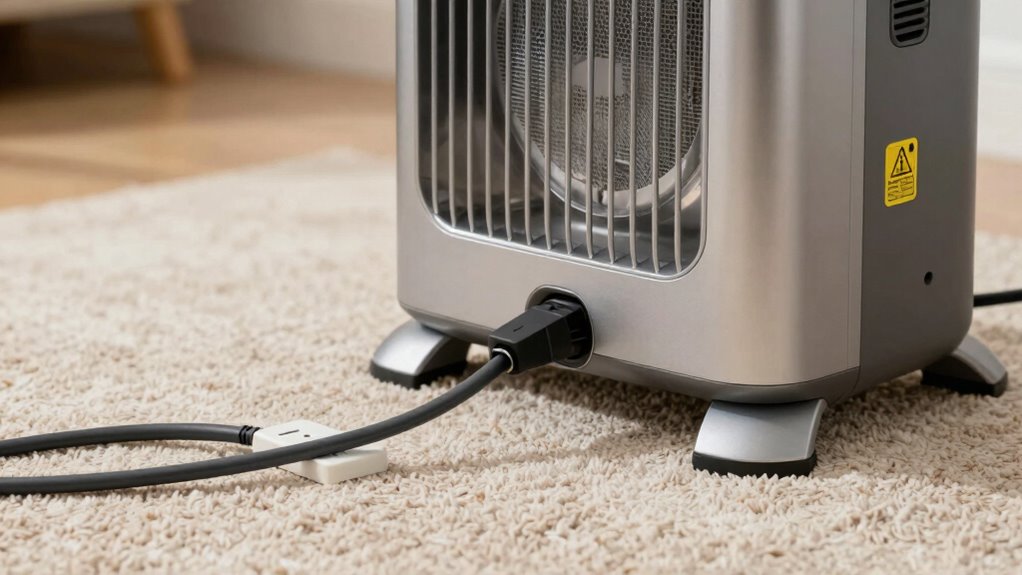
Understanding your space heater’s electrical power needs is essential for safe and efficient operation. First, check the heater’s wattage and verify your outlet can handle it without overloading the circuit. This helps prevent electrical capacity issues that could lead to tripped breakers or fire hazards. Always prioritize cord safety by using a heavy-duty, properly rated extension cord if needed, and avoid daisy-chaining multiple cords. Keep the cord out of high-traffic areas to prevent accidental damage or tripping. Make sure your wall outlet is grounded and in good condition. Knowing your heater’s power requirements ensures you don’t overload your electrical system, reducing fire risks and prolonging your heater’s lifespan. Proper understanding of these needs keeps you safe and your heater functioning at its best, especially considering the power draw of your device. Additionally, being aware of credit card security measures can help protect your financial information when making online purchases for heaters or related accessories. Being mindful of electrical safety tips can further prevent hazards associated with improper heater placement or wiring. Regularly inspecting your electrical connections and the circuit capacity can help you identify potential issues before they become serious problems.

Amazon Basics Oscillating Ceramic Space Heater, Portable Fast Heating Indoor Solution, With Overheat and Tip-Over Protection, Thermostat, 1500W, 7.52"D x 6.34"W x 9.45"H, Black
EVEN HEAT DISTRIBUTION: The heater's 45-degree oscillation function ensures even heat distribution across the room, warming a wider…
As an affiliate, we earn on qualifying purchases.
As an affiliate, we earn on qualifying purchases.
How to Choose the Best Spot for Your Space Heater
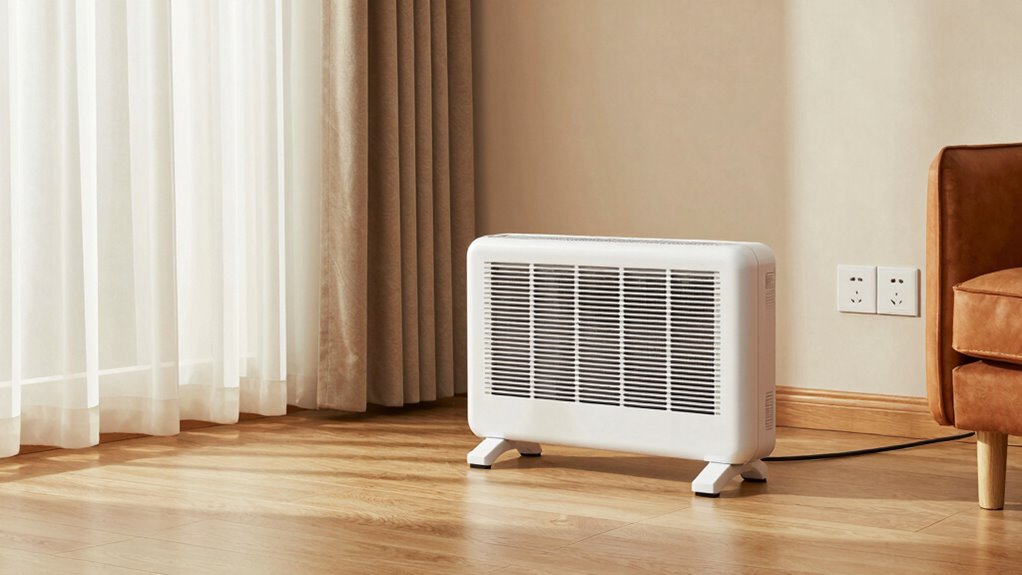
Choosing the right spot for your space heater is crucial for safety and efficiency. Place it where it can effectively regulate temperature without creating hazards. Keep the heater on a flat, stable surface away from high-traffic areas to prevent accidental knocks. Position it near the area you want to warm, ensuring it faces the space directly for better temperature regulation. Avoid placing it near windows, doors, or drafts that can disrupt heat flow. Proper placement enhances energy efficiency by preventing heat loss and reducing the need for higher power draw. Remember, a well-channed spot maximizes comfort while minimizing risks. An ideal location also considers modern bathroom comfort to ensure convenience and safety. Additionally, ensuring proper space heater clearance helps prevent fire hazards and promotes optimal operation. Proper placement also involves considering regional climate influences, which can impact heating efficiency and safety. Evaluating these factors helps optimize power consumption and ensures safe use in various environments. Being aware of the heater’s surroundings can further improve safety and performance. By selecting the ideal location, you’ll enjoy consistent warmth and safer operation, saving energy and reducing your heating costs.

First Alert Smoke Alarm, Battery-Operated Detector with Test & Silence Button, SMI100, 1-Pack
First Alert's Precision Detection advanced sensing technology complies with new industry standards to reduce cooking nuisance alarms and…
As an affiliate, we earn on qualifying purchases.
As an affiliate, we earn on qualifying purchases.
How to Keep Your Space Heater Away From Flammable Materials
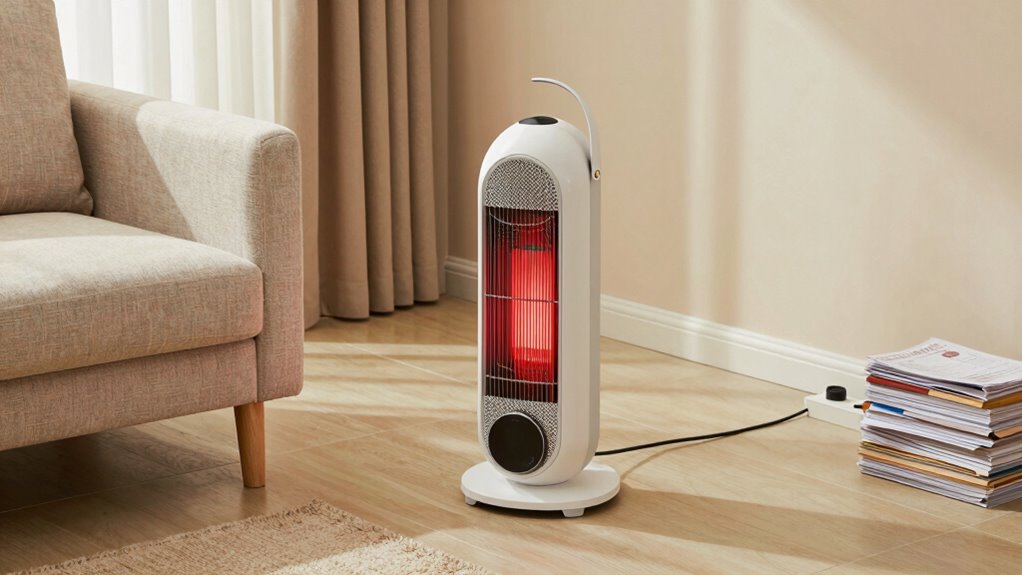
To keep your space heater safe, always maintain a clear space around it, free of any clutter. Stay away from fabrics like curtains, blankets, and upholstery that can catch fire easily. Also, avoid placing the heater near flammable liquids or aerosols to prevent accidents. Additionally, ensure your space heater is connected to a dedicated circuit to prevent electrical overloads that could lead to fires. Proper Electrical safety protocols and space heater placement are essential for safe operation. Being aware of fire hazards associated with improper placement can help you take proactive measures to prevent accidents. Regularly inspecting your space heater for damage and malfunction can further reduce risks of fire or injury.
Maintain Clear Space
Keeping your space heater away from flammable materials is essential for safe operation. Proper space heater maintenance involves regularly clearing the area around the unit to guarantee nothing obstructs airflow or poses a fire risk. Maintain at least three feet of open space on all sides, especially near curtains, papers, or furniture. This distance helps prevent overheating and allows for effective temperature regulation. Avoid clutter that could trap heat or catch fire if the heater tips or malfunctions. Always check that vents are unobstructed and clean dust or debris that could block airflow. Being aware of fire safety measures and how to implement them can further reduce hazards. Additionally, understanding fin and forage and its role in maintaining a healthy homestead can help you optimize your safety practices around your property. Regular maintenance and mindful placement are key to safe, reliable operation. Ensuring proper ventilation around your heater not only improves efficiency but also minimizes the risk of dangerous build-ups of fumes or heat. By maintaining the surrounding area clear, you reduce fire hazards and promote efficient heating.
Keep Away From Fabrics
Since fabrics like curtains, blankets, and upholstery are highly flammable, it’s crucial to keep them well away from your space heater. These materials pose significant material hazards, increasing the risk of fire if placed too close. For fabrics safety, maintain at least three feet of clearance around your heater, ensuring no textiles can accidentally come into contact with hot surfaces or heated elements. Be mindful of drapes that hang near the unit, as they can quickly ignite if they brush against it. Regularly check for loose or hanging fabrics near your heater, and avoid covering it with blankets or fabric covers. Keeping fabrics at a safe distance minimizes fire risk and helps ensure your space heater operates safely and efficiently. Additionally, understanding fire safety guidelines can further reduce hazards associated with space heater use, especially regarding proper ventilation and clearance. Proper space heater placement also plays a critical role in preventing accidents and ensuring optimal operation. Proper cord management can prevent tripping hazards and accidental disconnections, further enhancing safety. Remember, always follow the manufacturer’s instructions and safe heating practices to protect your home and loved ones.
Avoid Flammable Liquids
Flammable liquids such as gasoline, paint thinner, and alcohol can ignite easily if they come into contact with your space heater. To prevent fire hazards, keep these liquids far away from your heater at all times. Store flammable liquids in approved containers and in well-ventilated areas, away from heat sources. Never place them on or near the heater, as accidental spills or vapors can ignite quickly. Use the table below to identify common flammable liquids and safe storage tips:
| Flammable Liquid | Storage Tip | Danger Level |
|---|---|---|
| Gasoline | Store in approved containers | High fire hazard |
| Paint Thinner | Keep in ventilated area | Very flammable |
| Alcohol | Keep away from heat sources | Easily ignited |
Space Heater Safety Tips for Proper Cord and Outlet Use
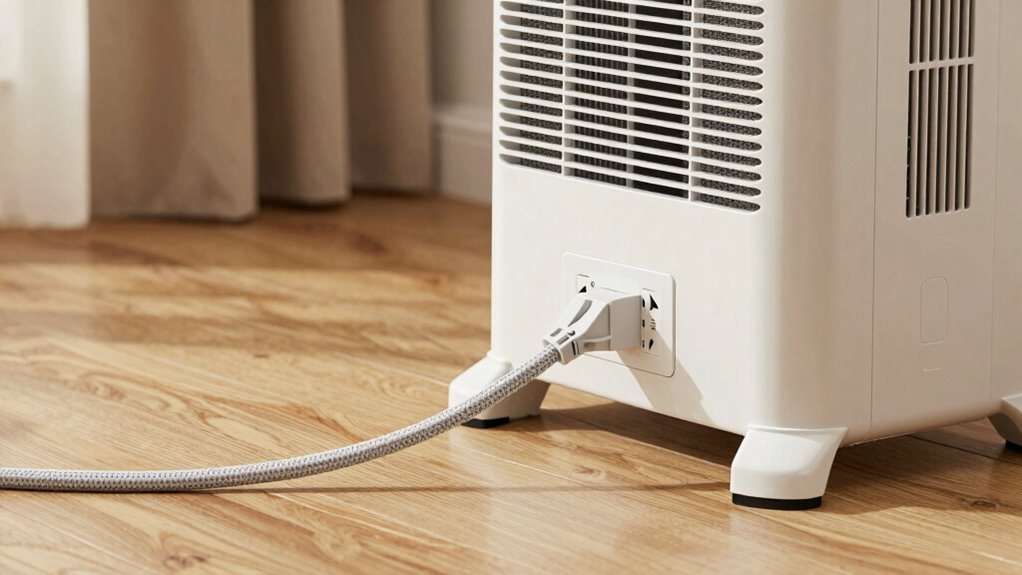
Always use a proper extension cord rated for your space heater’s power needs, and never run it under rugs or furniture. Avoid overloading outlets to prevent overheating and potential fires. Taking these simple steps helps guarantee safe and efficient heater operation.
Use Proper Extension Cords
Using the right extension cord is essential for safe space heater operation. Extension cords hazards increase when you use the wrong type or length, so it’s important to choose wisely. Always select a cord rated for high wattage appliances, and avoid cheap or damaged cords. Cord length considerations matter because longer cords can cause voltage drops, which reduce efficiency and increase overheating risk. Keep extension cords short and only use them temporarily if necessary. Never connect multiple cords or daisy chain them, as this can overload the circuit. Make sure the cord is grounded and rated for indoor use. Properly inspecting cords before use helps prevent electrical fires or shocks. By following these guidelines, you ensure your space heater operates safely and effectively.
Avoid Overloading Outlets
Overloading electrical outlets can cause serious hazards when using space heaters. Overloaded circuits can lead to overheating, sparks, or even fires, putting your home and loved ones at risk. To guarantee circuit safety, never plug a space heater into an outlet sharing with multiple devices. Avoid daisy-chaining extension cords or power strips, which can easily overload your circuit. Be mindful of your outlet’s capacity—if it feels warm or emits a burning smell, unplug immediately.
Stay safe by:
- Using outlets dedicated to your space heater
- Monitoring power draw to prevent overload
- Regularly inspecting cords for damage or signs of wear
Keeping these precautions helps prevent overloads, safeguarding your home from electrical fires.
Common Placement Mistakes That Could Cause Fires
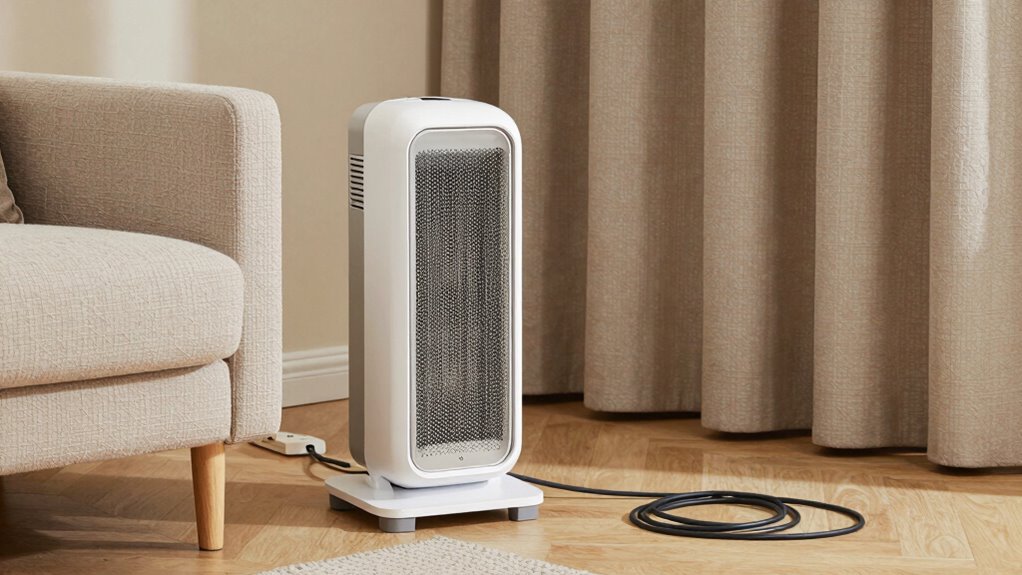
One common mistake that can lead to fires is placing space heaters too close to combustible materials. This creates significant placement hazards, increasing the risk of ignition. When heaters are positioned near curtains, furniture, or paper, heat can quickly ignite these items, causing a fire. Remember, space heaters need clear space around them—at least three feet—free from anything flammable. Ignoring this safe distance elevates fire risks and endangers your home. Always check the surroundings before plugging in and turning on your heater. Proper placement isn’t just about comfort; it’s about safety. Keep heaters on stable, level surfaces away from drapes, bedding, and other combustible objects to prevent accidental fires caused by improper placement.
Simple Tips to Use Your Space Heater Safely and Effectively

To guarantee your space heater keeps you warm safely and efficiently, it’s important to follow simple guidelines. Regular space heater maintenance ensures peak performance and safety, so clean filters and vents often. Set your thermostat to a comfortable, energy-saving temperature—around 68°F—avoiding extremes that waste power or cause overheating. Remember these tips:
- Keep the heater on a stable, flat surface away from clutter or flammable items
- Never leave it unattended for long periods
- Use the thermostat settings wisely to prevent overheating and save energy
When to Call a Professional for Space Heater Installation or Electrical Checks
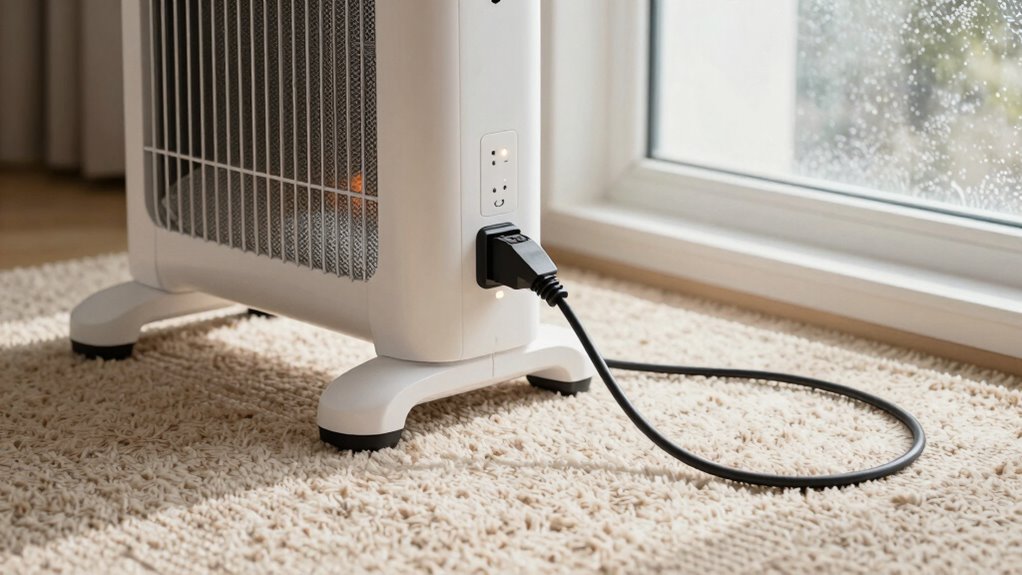
If you notice frequent tripping of circuit breakers, flickering lights, or burning smells when using your space heater, it’s time to call a professional. These signs indicate potential electrical issues that require expert attention. You should avoid attempting a DIY fix and instead seek professional installation or electrical inspections. A licensed electrician can assess your wiring, ensure your circuit capacity matches your heater’s power draw, and prevent fire hazards. Regular electrical inspections can catch problems early, saving you money and increasing safety. Don’t ignore warning signs—call a professional promptly to evaluate your electrical system. Proper installation and inspections guarantee your space heater operates safely without overloading your circuits.
Frequently Asked Questions
Are There Specific Room Sizes Best Suited for Certain Heaters?
Yes, your room size determines the best heater capacity. For small rooms up to 150 square feet, use a heater with about 750-1500 watts. Medium rooms (150-300 sq ft) need 1500-2000 watts, while large rooms over 300 sq ft require 2000+ watts. Selecting a heater with the right capacity guarantees efficient heating without wasting energy, keeping you comfortable and safe in your space.
How Often Should I Inspect My Space Heater for Safety?
You should inspect your space heater for safety every 1 to 2 months. Regular heater maintenance includes safety checks for frayed cords, loose parts, or signs of damage. Unplug the heater before inspecting and cleaning it, and guarantee vents are clear. Frequent safety checks help prevent fire hazards and ensure efficient operation, keeping you safe during colder months. Remember, consistent maintenance is key to long-lasting, safe use.
Can I Leave My Space Heater Unattended Overnight?
You shouldn’t leave your space heater unattended overnight, as it poses a fire hazard. Even if it seems safe, an unattended heater can overheat or tip, risking damage and danger. Prioritize safety by unplugging it when not in use, saving energy, and preventing potential problems. Remember, vigilant vigilance improves energy efficiency and keeps your space safe, so always supervise your heater for peace of mind and protection.
What Are the Signs of an Overloaded Electrical Circuit?
You’ll notice a circuit overload when your circuit breaker trips frequently, outlets feel warm or emit a burning smell, or you experience flickering lights. Overloading a circuit compromises electrical safety and can cause fires. To prevent this, avoid plugging too many devices into one outlet, especially space heaters. Keep an eye out for these signs so you can address potential issues early and maintain a safe, well-functioning electrical system in your home.
How Do I Properly Store My Space Heater During Off-Season Months?
You should clean your space heater thoroughly, inspect it for damage, and store it in a dry, cool place. Use a sturdy, airtight container to protect it from dust and moisture, ensuring storage safety. Wrap cords neatly to prevent tangles and accidental damage. During seasonal maintenance, keep it away from flammable materials and avoid placing heavy objects on top. Proper storage keeps your heater ready and safe for future use.
Conclusion
Remember, a space heater is only as safe as its placement. Think of it as a trusted friend—if you keep it away from flammable materials, use the right outlet, and follow safety tips, you’ll enjoy cozy warmth without worry. Don’t let careless placement turn your comfort into a catastrophe. Stay vigilant, respect the power, and when in doubt, call a professional. Your safety, after all, is the brightest heat of all.