
TL;DR
Open a free Amazon Business account
Business pricing, bulk buying and tax-exempt orders.
Create a free accountAs an affiliate, we earn on qualifying purchases.
A US citizen was formally charged with a felony after deleting data from their phone during a border inspection. This case highlights legal debates over digital privacy rights at border crossings. The charges mark a significant development in border search policies.
A US citizen has been formally charged with a felony after deleting data from their phone during a border inspection, according to court records. This case underscores ongoing legal debates over the extent of border agents’ authority to search and seize digital devices, and why it matters for digital rights and border security.
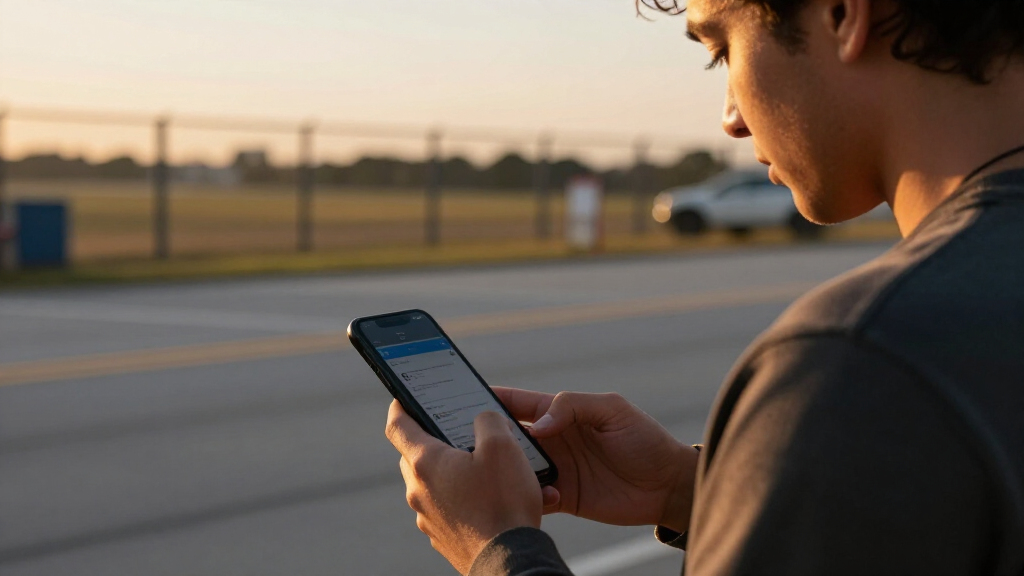
The individual, whose identity has not been publicly disclosed, was detained at a US border crossing. During the inspection, the person deleted data from their phone, which prompted border agents to escalate the situation. Subsequently, authorities filed felony charges against the individual, citing destruction of evidence and interference with border security procedures.
Legal experts say this case is among the first to result in felony charges specifically related to deleting data at the border. The Department of Homeland Security (DHS) has not officially commented on the case, but court documents confirm the charges and the circumstances leading to them.
Legal and Privacy Implications of Digital Data at Borders
This case matters because it raises questions about the limits of border agents’ authority to search digital devices and the legal protections for travelers’ digital privacy. The charges suggest a shift toward more aggressive enforcement actions against individuals who attempt to delete or conceal data, potentially impacting millions of travelers’ rights.
It also highlights a broader debate over whether deleting data constitutes obstruction or evidence tampering, and how existing laws apply to digital information in border contexts.
As an affiliate, we earn on qualifying purchases.
Legal Precedents and Border Search Policies
Border searches of digital devices have increased over recent years, with Customs and Border Protection (CBP) asserting broad authority to search phones and laptops without warrants. Courts have generally upheld these searches, but legal challenges are ongoing.
In 2018, the Supreme Court declined to hear a case challenging border searches of electronic devices, leaving lower court rulings in place. The current case represents a potential escalation, as charges for deleting data are rare and may influence future border search policies.
privacy screen protector for smartphones
As an affiliate, we earn on qualifying purchases.
As an affiliate, we earn on qualifying purchases.
Unclear Aspects of Legal Application and Future Impacts
It is not yet clear how courts will interpret the legality of felony charges related to deleting data at the border, or whether this case will lead to broader legal standards. Details about the individual’s motives and the specific data deleted remain undisclosed.
As an affiliate, we earn on qualifying purchases.
Legal Proceedings and Potential Policy Changes
The individual is expected to face court hearings in the coming weeks, where legal arguments about digital privacy rights and border authority will be central. The case could influence future border search policies and lead to legislative or regulatory reviews of digital device searches.
As an affiliate, we earn on qualifying purchases.
Key Questions
Can border agents search my phone without a warrant?
Yes, under current policies, border agents have broad authority to search digital devices without warrants, but legal debates continue about the limits of this authority.
What are the legal consequences of deleting data at the border?
Deleting data can lead to criminal charges, and in this case, felony charges for evidence destruction or interference, although such cases are rare.
Could this case change border search policies?
Potentially, as legal challenges and court rulings could influence future regulations and enforcement practices regarding digital privacy at borders.
Is deleting data at the border considered a crime?
Under current law, deleting data during border inspections can be prosecuted as evidence tampering or destruction, which may be classified as a felony depending on circumstances.
Source: hn
Fall Picks
fall essentials
As an affiliate, we earn on qualifying purchases.