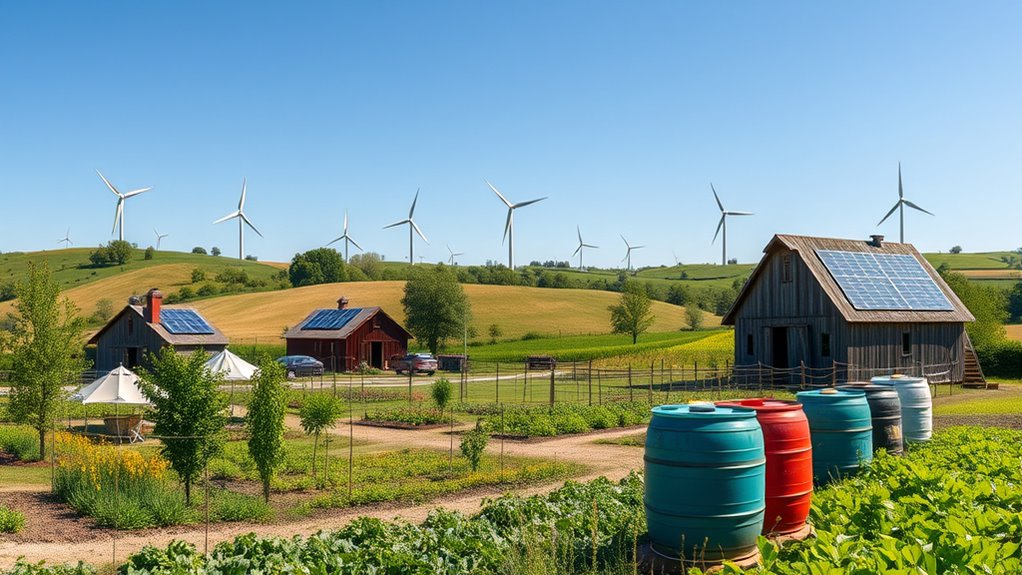

Missouri is making strides in tackling global climate change through local solutions you can support. The state is expanding renewable energy like wind and solar, promoting conservation, and protecting green spaces. Community-led projects also create jobs and showcase tangible results. By participating in local initiatives and choosing eco-friendly options, you contribute to a more sustainable future. If you want to discover how Missouri’s efforts can inspire change and what you can do, keep exploring what’s happening across the state.
Key Takeaways
- Missouri is expanding renewable energy projects like solar farms and wind turbines to reduce reliance on fossil fuels.
- Conservation efforts promote water and electricity savings, natural landscape protection, and green space preservation.
- Community-led initiatives and visible infrastructure projects demonstrate tangible climate action and economic benefits.
- Public engagement and policies support eco-friendly choices, fostering collective responsibility for sustainability.
- Local solutions contribute to global climate mitigation, positioning Missouri as a proactive example for other regions.
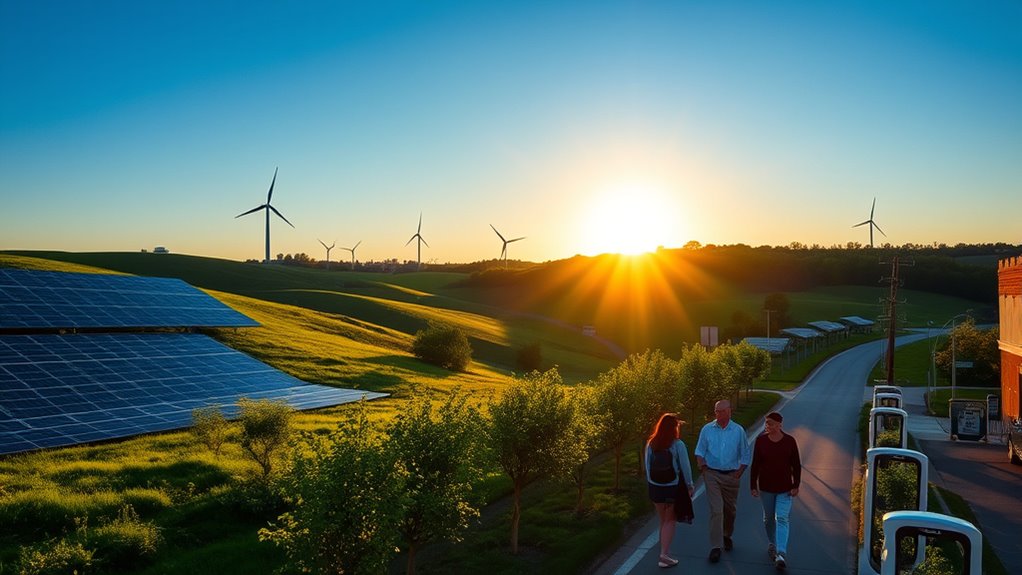
Missouri is taking bold steps to address climate change by implementing innovative policies and promoting sustainable practices. As a resident or visitor, you might notice how the state is actively working to shift toward cleaner, more sustainable energy sources. One of the key strategies involves expanding renewable energy options, such as wind and solar power, which are becoming more prevalent across the state. These initiatives not only reduce reliance on fossil fuels but also help lower greenhouse gas emissions. By investing in renewable energy, Missouri is making a tangible difference in its environmental footprint, and you can be part of this shift by supporting local projects or choosing energy providers that prioritize clean energy sources.
In addition to embracing renewable energy, Missouri emphasizes conservation strategies that aim to maximize resource efficiency and protect natural landscapes. You’re encouraged to participate in these efforts by adopting simple conservation habits—reducing water and electricity use, recycling, and supporting local conservation programs. The state’s policies promote smarter land use and preservation of green spaces, which help absorb carbon dioxide and mitigate urban heat islands. These conservation strategies not only benefit the environment but also improve the quality of life for residents and visitors alike. When you choose to conserve resources, you directly contribute to the broader goals of reducing emissions and strengthening the resilience of local ecosystems.
Participate in conservation by reducing water and energy use, recycling, and supporting local green initiatives.
Missouri’s focus on renewable energy and conservation strategies signals a proactive approach to tackling climate change at the local level. You can see the tangible results in new solar farms, wind turbine installations, and community-led sustainability initiatives. These projects create jobs, stimulate local economies, and demonstrate that environmental responsibility can go hand-in-hand with economic growth. As someone living in or visiting Missouri, your involvement matters. Supporting policies that promote renewable energy development, participating in community clean-up events, or simply making eco-friendly choices in daily life helps reinforce the state’s commitment to a sustainable future.
Ultimately, Missouri’s climate action reflects a broader understanding that local solutions can have a global impact. By prioritizing renewable energy and conservation strategies, the state is not only addressing the urgent issue of climate change but also setting an example for other regions. Your participation and support can amplify these efforts, making a difference in how communities adapt to and mitigate climate challenges. With continued innovation and collective effort, Missouri is working toward a healthier environment, ensuring that future generations inherit a cleaner, more sustainable world.

Solar Power for Beginners: How to Design and Install the Best Solar Power System for Your Home (DIY Solar Power)
As an affiliate, we earn on qualifying purchases.
As an affiliate, we earn on qualifying purchases.
Frequently Asked Questions
How Can Missouri Residents Reduce Their Carbon Footprint Effectively?
You can reduce your carbon footprint by switching to renewable energy sources like solar or wind for your home. Use sustainable transportation options such as biking, walking, or driving fuel-efficient vehicles to cut emissions. Additionally, conserve energy by unplugging devices and improving home insulation. Supporting local clean energy projects and advocating for policies that promote renewable energy and sustainable transportation also make a significant impact on reducing your overall carbon footprint.
What Are Missouri’s Most Vulnerable Communities to Climate Change Impacts?
Your state’s most vulnerable communities to climate change are rural poverty-stricken areas and indigenous communities. These groups face intensifying threats like extreme weather, flooding, and heatwaves, which can devastate their livelihoods and health. The impact feels like a hurricane of challenges, making resilience difficult. You can support policies that prioritize these communities, ensuring they receive resources and protections needed to adapt and thrive despite escalating climate threats.
How Do Climate Policies in Missouri Compare to Neighboring States?
You’ll find that Missouri’s climate policies are somewhat behind neighboring states. While some states offer renewable incentives and stricter emission standards, Missouri’s efforts are limited, with fewer incentives for renewable energy and less aggressive emission standards. This means your community might miss out on clean energy opportunities and benefits from climate action, highlighting the need for Missouri to strengthen policies and align more closely with proactive neighboring states.
What Funding Options Are Available for Local Climate Initiatives?
You can access funding for local climate initiatives through grants and incentives from state and federal programs. Look into opportunities like renewable energy grants or efficiency incentives. Public-private partnerships also offer valuable support, combining government resources with private sector innovation. By actively pursuing these options, you can secure funding, implement sustainable projects, and make a real impact on your community’s climate resilience.
How Does Missouri Plan to Adapt Agricultural Practices to Climate Change?
Missouri plans to adapt agricultural practices by promoting sustainable irrigation techniques that conserve water and boost crop resilience. You’re encouraged to diversify crops, which helps manage risks associated with climate variability and enhances soil health. These strategies support farmers in maintaining productivity despite changing weather patterns, ensuring long-term sustainability for Missouri’s agriculture. By adopting sustainable irrigation and crop diversification, you directly contribute to climate resilience and a more sustainable future.

Thames & Kosmos Wind Power V5.0 STEM Experiment Kit, Build a 3ft-Tall Model Wind Turbine & Explore Clean, Renewable Energy, Optimized for Use Outdoors & Indoors, Experiments & Discovery for Ages 8+
FIFTH-GENERATION WIND TURBINE KIT: Updated version of the best-selling STEM kit about wind power and energy, kids can…
As an affiliate, we earn on qualifying purchases.
As an affiliate, we earn on qualifying purchases.
Conclusion
By taking local steps, Missouri can be a shining beacon in the fight against climate change. Your actions—whether conserving energy, supporting green initiatives, or spreading awareness—are the sparks that ignite broader change. Remember, your efforts are the threads weaving a stronger, greener future. Together, we hold the power to turn the tide, making climate action feel like a mighty river flowing toward hope and resilience—powerful enough to reshape our world.

HOPOPRO 5-Mode High Pressure Shower Head – The Washington Post, NBC News, Today TV Show Recommended – High Flow Fixed Showerheads (4 Inch Chrome)
High Pressure Shower Head with 5 Different Shower Modes: HOPOPRO keeps upgrading showerheads to be more water-saving without…
As an affiliate, we earn on qualifying purchases.
As an affiliate, we earn on qualifying purchases.

Amazon Basics Dual Compartment Recycling Trash Can with Soft-Close Lid, Fingerprint Resistant, Removable Liner Buckets, 60 Liters, Rectangular, Grey, Silver
Rectangular trash can with 2 compartments for sorting garbage and recycling
As an affiliate, we earn on qualifying purchases.
As an affiliate, we earn on qualifying purchases.