TL;DR

Get everyday essentials delivered free — and shop member deals
- Fast, free delivery on millions of items
- Access to Prime Big Deal Days deals on October 6–7
- Prime Video, Amazon Music and more included
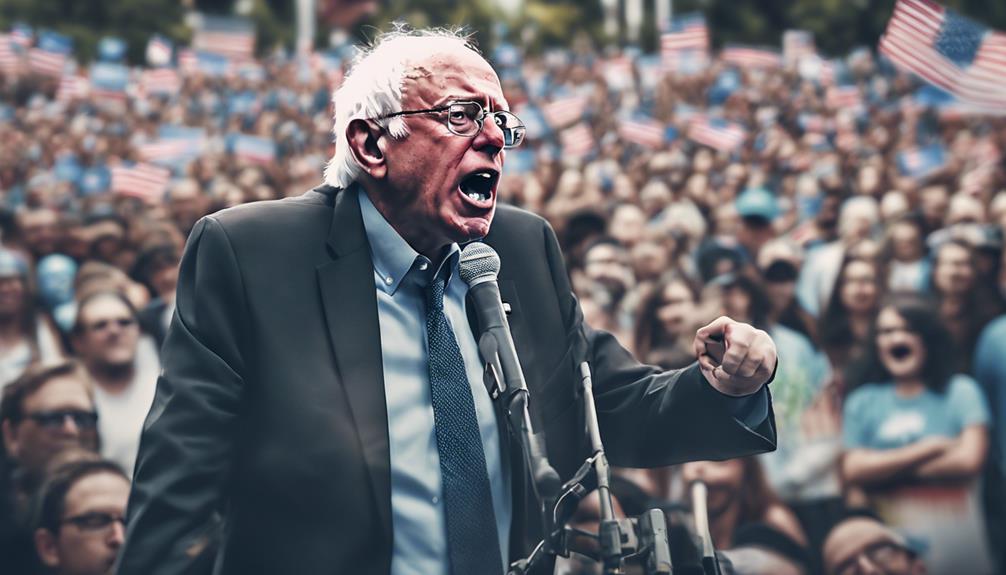
A recent survey indicates that 89% of Americans believe government corruption is widespread, reaching a record high. The trend signals growing distrust in public institutions, though the reasons behind this perception remain under investigation.
According to a recent survey, 89% of Americans believe government corruption is widespread, a record high that underscores growing public distrust in U.S. institutions. The survey’s findings come amid ongoing political and social tensions, making the perception of corruption a significant concern for policymakers and citizens alike.
The survey, conducted by a reputable polling organization, included a representative sample of U.S. adults and was released this week. It shows a sharp increase from previous years, where the percentage of Americans perceiving widespread corruption hovered around 75-80%. The data indicates that nearly nine out of ten respondents see corruption as a pervasive issue, affecting various levels of government, from local agencies to federal institutions.
While the survey does not specify which aspects of government are viewed as most corrupt, the high percentage suggests a broad erosion of trust. Experts note that this perception may be influenced by recent political scandals, media coverage of government misconduct, and concerns over transparency and accountability. The survey also highlights demographic variations, with younger adults and those with lower income levels more likely to perceive widespread corruption.
Officials and analysts are interpreting these results as a potential reflection of declining confidence in government effectiveness and integrity. However, some caution that perceptions may not always align with actual levels of corruption, which are difficult to measure precisely. The survey’s findings are being closely examined for their implications on public policy and electoral behavior.
Implications of Growing Public Distrust in Government
The record-high perception that 89% of Americans see government corruption as widespread has significant implications for democracy and governance. Such widespread distrust can undermine civic engagement, reduce voter turnout, and foster political polarization. It may also hinder efforts to implement reforms aimed at increasing transparency and reducing corruption.
Experts warn that sustained perceptions of corruption could weaken institutions’ legitimacy, making it harder for governments to effectively address issues like economic inequality, public health, and national security. The trend could also influence electoral outcomes, with voters demanding more accountability and transparency from candidates and elected officials.
Understanding the roots of this perception is crucial for policymakers seeking to restore trust. Addressing the factors that contribute to public skepticism—such as media narratives, political scandals, and perceived lack of accountability—will be vital in reversing this trend.
As an affiliate, we earn on qualifying purchases.
Historical Trends and Recent Developments in Public Trust
Public perception of government corruption has fluctuated over the past decade, often influenced by high-profile scandals and political polarization. Previous surveys indicated that around 75-80% of Americans believed corruption was widespread, but recent data shows a sharp rise to 89%. This increase coincides with heightened media coverage of allegations against public officials and ongoing debates over transparency measures.
While actual instances of corruption are difficult to quantify precisely, governmental watchdogs and transparency organizations report persistent issues related to lobbying, campaign finance, and misuse of public funds. The current survey’s results may reflect a cumulative effect of these concerns, amplified by social media and partisan rhetoric.
It is also worth noting that distrust in government is not new; however, the current record level underscores a potential shift in public attitudes, possibly driven by recent political events and social unrest. Analysts suggest that this trend may persist unless significant reforms are implemented to rebuild confidence.
document shredder for sensitive info
As an affiliate, we earn on qualifying purchases.
As an affiliate, we earn on qualifying purchases.
Unconfirmed Factors Behind the Perception Spike
It is not yet clear what specific events or narratives have most influenced the sharp increase in perceived corruption. While media coverage and recent scandals are likely contributors, definitive causative factors remain under investigation. Additionally, the extent to which this perception reflects actual corruption levels versus general distrust in institutions is still uncertain.
As an affiliate, we earn on qualifying purchases.
Monitoring Public Trust and Policy Responses
Researchers and policymakers will likely focus on further surveys and transparency initiatives to understand and address the causes of declining trust. Future polling may reveal whether trust levels improve or deteriorate further, especially if reforms or scandals emerge. Public officials may also face increased pressure to demonstrate accountability and transparency in response to these perceptions.
As an affiliate, we earn on qualifying purchases.
Key Questions
What does a record 89% perception of government corruption mean?
It indicates that nearly nine out of ten Americans believe that corruption is widespread across government institutions, reflecting a significant decline in public trust.
Is this perception based on actual corruption levels?
It is difficult to determine; perceptions may be influenced by media, political rhetoric, and recent scandals, but concrete data on corruption levels is challenging to verify.
How might this perception affect politics?
It could lead to decreased voter turnout, increased demand for transparency, and shifts in electoral support toward reform-minded candidates.
What can be done to restore trust?
Implementing transparency reforms, holding officials accountable, and improving communication about government actions are potential steps to rebuild public confidence.
Source: hn
Fall Picks
fall essentials
As an affiliate, we earn on qualifying purchases.