
TL;DR

Get everyday essentials delivered free with Prime
- Fast, free delivery on millions of items
- Prime Video, Amazon Music and more included
- Member-only deals all year
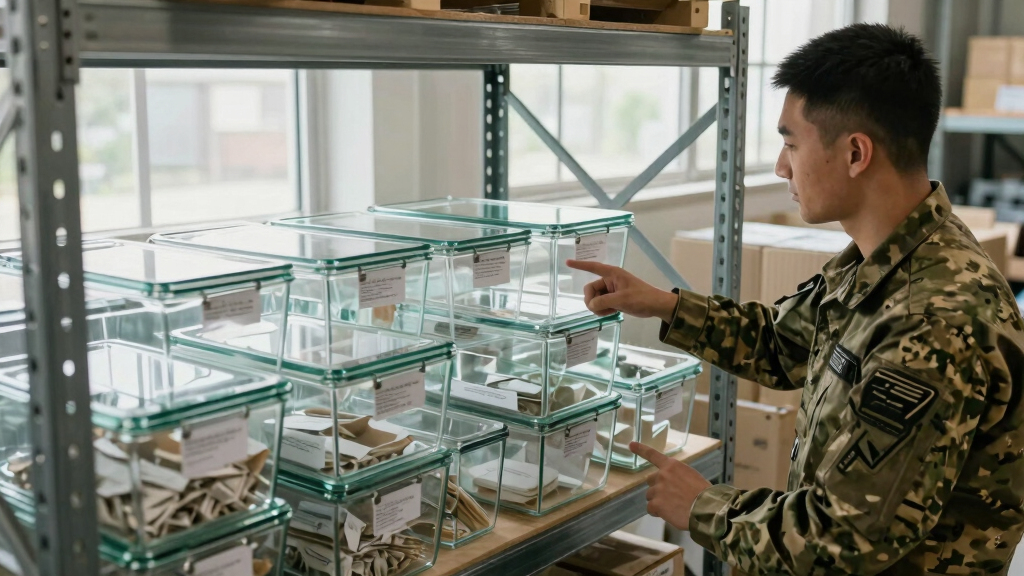
A new analysis warns that the U.S. Army’s logistics system is vulnerable and may break under the strain of next-generation warfare. The system’s fragility stems from outdated infrastructure and planning gaps. This raises concerns about military readiness in future conflicts.
Recent defense analyses warn that the U.S. Army’s logistics system is highly vulnerable and could collapse in the event of a future conflict. Experts describe this system as a ‘glass backbone,’ emphasizing its fragility amid evolving warfare demands. This assessment raises concerns about the Army’s ability to sustain operations during high-intensity or prolonged conflicts.
Multiple defense analysts and internal reports have highlighted that the Army’s logistics network, responsible for supply chains, transportation, and maintenance, is built on infrastructure and planning that are increasingly outdated. The system’s reliance on aging transportation routes, limited modern digital integration, and insufficient strategic reserves contribute to its fragility.
According to a recent report from the Center for Strategic and International Studies (CSIS), the Army’s logistics could become a ‘weak link’ in future warfare scenarios involving large-scale mobilization or contested environments. The report emphasizes that current investments are insufficient to upgrade the logistics backbone to meet future demands.
Defense officials acknowledge these concerns but state that ongoing modernization efforts are underway. However, critics argue that these initiatives are too slow and underfunded, leaving the system vulnerable when it is needed most.
Implications of Logistics Fragility for Future Military Success
The vulnerability of the Army’s logistics system could significantly impact military readiness and operational success in future conflicts. If supply chains fail or become bottlenecked, it could hinder troop deployment, equipment maintenance, and overall combat effectiveness. This fragility may also influence strategic decision-making, potentially limiting the scope or duration of military operations.
Furthermore, adversaries aware of these weaknesses could exploit them through cyberattacks or physical disruptions, escalating the risk of logistical collapse during critical moments. The assessment underscores the importance of modernizing logistics infrastructure to maintain a competitive edge and ensure rapid response capabilities.
military logistics management software
As an affiliate, we earn on qualifying purchases.
As an affiliate, we earn on qualifying purchases.
Current State of Army Logistics and Recent Warnings
The Army’s logistics network has historically relied on a combination of aging infrastructure and evolving technology. Over the past decade, efforts have been made to modernize digital systems and improve supply chain resilience, but progress has been uneven.
Recent defense reports and independent analyses have repeatedly warned that the existing system is ill-prepared for the demands of future warfare, especially in contested environments where supply routes could be targeted or cut off. The concept of the ‘glass backbone’ emerged from these assessments, highlighting the system’s extreme vulnerability.
In 2022, the Army initiated several modernization projects, including new logistics management software and upgraded transportation assets. However, critics argue that these measures are insufficient given the scale of potential future conflicts and the rapid pace of technological change.
“We are actively working to modernize our logistics capabilities to meet future challenges.”
— Army spokesperson Col. James Carter
army supply chain tracking devices
As an affiliate, we earn on qualifying purchases.
As an affiliate, we earn on qualifying purchases.
Unresolved Questions About Logistics System Resilience
It is not yet clear whether the ongoing modernization efforts will be sufficient to prevent systemic failure during future conflicts. Details about budget allocations, implementation timelines, and technological upgrades remain uncertain. Experts warn that without accelerated action, vulnerabilities could persist or worsen.
military transportation and maintenance equipment
As an affiliate, we earn on qualifying purchases.
As an affiliate, we earn on qualifying purchases.
Next Steps for Strengthening Army Logistics Infrastructure
Defense officials are expected to accelerate modernization initiatives, including increased funding and integration of new digital systems. Congressional hearings and budget proposals in the coming months will likely focus on addressing these vulnerabilities. Monitoring these developments will be crucial to assess whether the Army can fortify its logistics backbone before the next conflict.
digital logistics systems for defense
As an affiliate, we earn on qualifying purchases.
As an affiliate, we earn on qualifying purchases.
Key Questions
Why is the Army’s logistics system called a ‘glass backbone’?
The term describes the system’s fragility—crucial for operations but easily broken under stress due to outdated infrastructure and planning gaps.
What are the main vulnerabilities in the current logistics system?
It relies on aging transportation routes, limited digital modernization, and insufficient strategic reserves, making it susceptible to disruptions in wartime.
Are there ongoing efforts to fix these issues?
Yes, the Army has initiated modernization projects, but critics argue they are too slow and underfunded to fully address systemic weaknesses.
What could happen if these vulnerabilities are not addressed?
The Army’s ability to sustain operations could be compromised during future conflicts, especially in contested environments where supply lines are targeted.
When will we see results from modernization efforts?
It is uncertain; current timelines suggest several years before significant upgrades are fully implemented and tested under operational conditions.
Source: hn
Columbus Day / Indigenous Peoples' Day Picks
long weekend sales
As an affiliate, we earn on qualifying purchases.