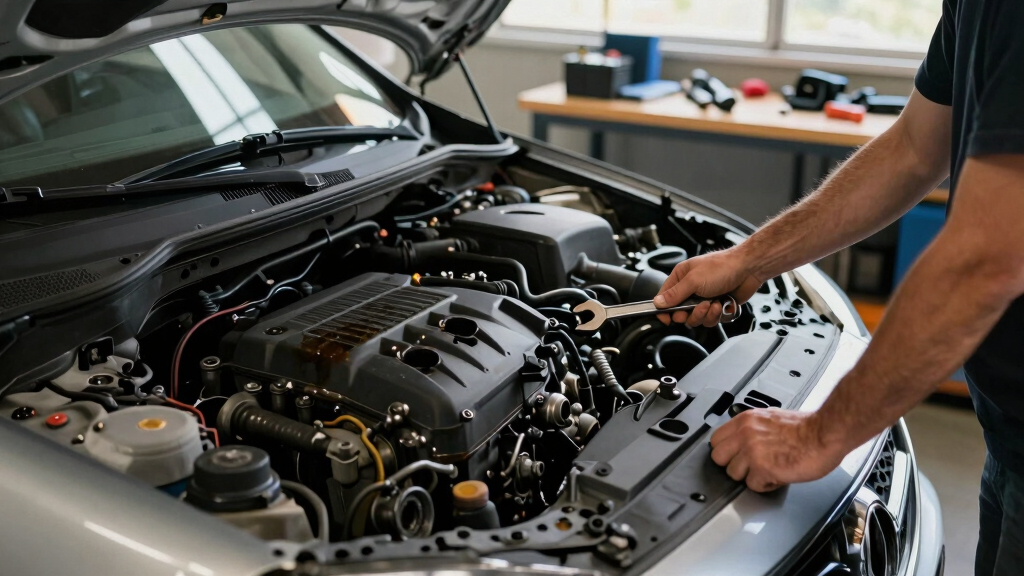

TL;DR
Former President Donald Trump announced pardons for individuals prosecuted for pollution violations linked to car repairs. The move affects recent cases and raises questions about environmental enforcement. Details about the scope and rationale remain unclear.
Former President Donald Trump announced that he will issue pardons to individuals prosecuted for pollution violations related to car repairs. The move, described as a measure to support small auto repair shops, has drawn immediate criticism from environmental groups and legal experts. This development represents a significant intervention in recent environmental enforcement efforts and could influence future regulatory actions.

Get everyday essentials delivered free with Prime
- Fast, free delivery on millions of items
- Prime Video, Amazon Music and more included
- Member-only deals all year
Potential Impact on Environmental Enforcement Policies
This move by Trump could significantly alter the enforcement landscape for pollution violations related to vehicle modifications. If implemented broadly, it might weaken regulatory efforts to prevent illegal emissions tampering, potentially leading to increased air pollution. The decision also signals a shift in priorities from environmental protection towards supporting small auto repair businesses, which may influence future policy debates and enforcement practices.
Products Worth Considering

Levoit Eleva 300X Air Purifier with Fully Sealed HEPA Filtration and Smart Control

Philips Hue Smart Light Starter Kit with Bridge and 4 White and Color A19 Bulbs

Arlo Pro Wireless Security Camera, 2K HDR, 6th Gen, 4-Camera Kit
As an affiliate, we earn on qualifying purchases.
Recent Trends in Vehicle Pollution Enforcement
Over the past decade, federal and state agencies have stepped up efforts to combat illegal vehicle modifications that bypass emissions controls, citing concerns over air quality and public health. Several high-profile cases have resulted in fines and criminal charges against individuals and small businesses accused of tampering with vehicle emissions systems. The Biden administration had previously emphasized stricter enforcement, making Trump’s announced pardons a notable departure from current policy directions.
“Allowing pardons for pollution violations related to car repairs undermines years of work to reduce vehicle emissions and protect public health.”
— Environmental Advocacy Group
Scope and Implementation of the Pardons Remain Unclear
It is not yet confirmed how many individuals will be pardoned, the specific cases involved, or whether the pardons will apply broadly to all similar violations. Details about the legal process and whether any conditions will be attached to the pardons are still emerging. The full impact on ongoing enforcement efforts remains uncertain.
Monitoring Implementation and Reactions to the Pardons
Legal and environmental groups are expected to scrutinize the pardons once they are formally issued. Policymakers and regulators may reassess enforcement priorities in response. Further statements from the Department of Justice or environmental agencies could clarify the scope and implications of the pardons in the coming weeks.
Key Questions
Who will be affected by Trump’s pardons?
The pardons are expected to affect individuals prosecuted for pollution violations related to vehicle modifications, particularly those involved in small auto repair shops.
Will these pardons impact environmental laws?
Potentially, yes. If broadly applied, they could weaken enforcement efforts and reduce deterrents against illegal vehicle pollution tampering.
Are these pardons legally binding?
Yes, presidential pardons are legally binding, but their scope and application depend on the specific cases and the formal issuance process.
What has been the reaction from environmental groups?
Many environmental advocates have criticized the move, warning it could undermine efforts to reduce vehicular emissions and protect air quality.
Source: google-trends