TL;DR

Get everyday essentials delivered free with Prime
- Fast, free delivery on millions of items
- Prime Video, Amazon Music and more included
- Member-only deals all year
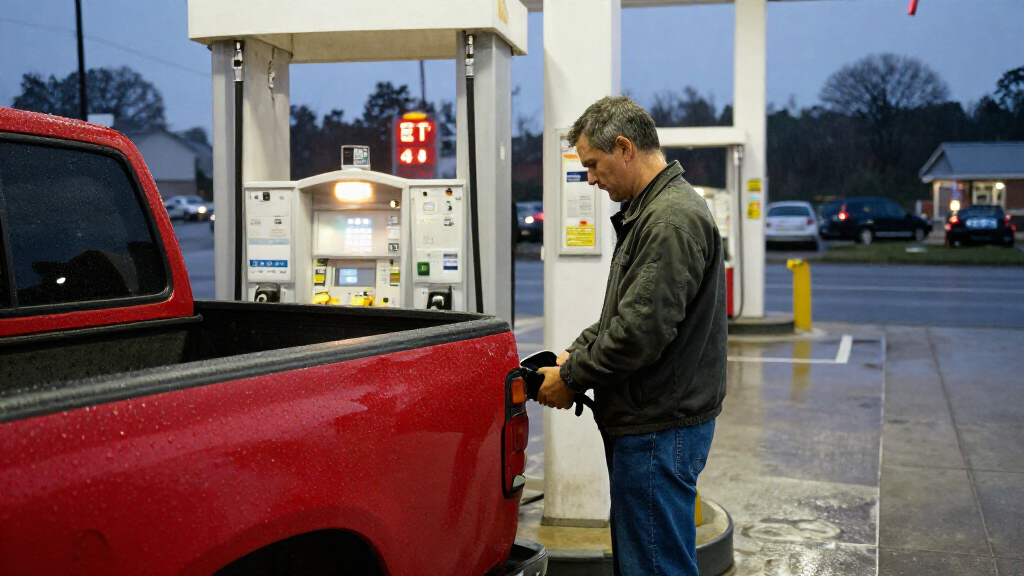
U.S. diesel prices rose seven cents to $6.35 per gallon after President Donald Trump announced an agreement for Russian diesel deliveries. A first tanker reportedly left port, but the available reporting does not establish that the deal has lowered U.S. prices or explain what caused the latest increase.
U.S. diesel prices rose seven cents to $6.35 per gallon after President Donald Trump announced a deal for Russian diesel deliveries to world markets, The Wall Street Journal reported, citing American Automobile Association data. The increase indicates that prices have not fallen since the announcement, though the reported figures do not establish whether the agreement affected the latest price movement.
Trump announced the agreement on October 9, saying Russia would provide more than 300,000 tons of diesel immediately, another 500,000 tons in November, and a further 1 million tons afterward. The arrangement was presented as a way to add Russian fuel to global markets. The figures describe promised deliveries; the source material does not confirm that all of the stated volumes have arrived.
The U.S. Treasury Department temporarily eased sanctions on Russian diesel to facilitate the deal, with the measure set to run until April 7, 2027. Reuters reported that the first tanker carrying Russian diesel left the Russian port of Primorsk on October 22. That departure is a reported shipment milestone, but it does not by itself show how much fuel reached U.S. buyers or whether it changed U.S. retail prices.
The Wall Street Journal’s price figure, attributed to AAA data, puts diesel at $6.35 per gallon, roughly 3.8 liters. The source report does not provide a longer price series, regional breakdown, or comparison with prices before the deal. Experts cited in the report were skeptical that the agreement would significantly reduce U.S. fuel prices.
Why Diesel Prices Matter Now
The price movement matters to households and businesses that depend on diesel, including freight operators and other users of diesel-powered vehicles and equipment. A supply agreement can add fuel to international markets, but the reported increase shows that an announcement and an initial tanker departure have not yet coincided with lower U.S. prices.
The timing is politically sensitive. Congressional midterm elections are scheduled for November 3, and the source report says polling shows rising fuel prices are among the leading sources of public discontent with the Republican administration. Analysts cited by Meduza predict Republicans’ representation in both chambers will shrink, but the reporting does not establish that fuel prices alone will determine election results.
Products Worth Considering

Sonos Era 100 SL Compact Microphone-Free Speaker, White

Philips Hue Festavia 130-Foot Indoor/Outdoor Smart String Lights, 500 LEDs

eufy E25 Robot Vacuum and Mop Combo with HydroJet Roller Mop
As an affiliate, we earn on qualifying purchases.
From October Deal to First Shipment
The sequence so far is limited but clear: Trump announced the agreement with Russian President Vladimir Putin on October 9; the Treasury Department temporarily eased sanctions on Russian diesel; and Reuters reported the first tanker left Primorsk on October 22. The price figure reported October 29 is the latest development in the supplied account.
The agreement concerns Russian diesel supplied to world markets, while the reported price is a U.S. figure. The source material does not describe the destination of the first tanker, the route or buyer, or the volume delivered to the United States. It also does not provide enough detail to assess how the shipment compares with U.S. demand or other sources of diesel supply.
“The experts were skeptical that the diesel deal would significantly lower fuel prices in the U.S.”
— Experts cited in Meduza’s report
Shipment Volumes and Price Effects
It is not yet clear how much Russian diesel has been delivered under the agreement, where the first tanker is headed, or whether any of the fuel will reach U.S. markets. The report gives the announced volumes and says a tanker left Primorsk, but it does not confirm arrival, unloading, or sales to U.S. buyers.
The available information also cannot show why the U.S. price rose by seven cents or whether the deal affected prices in either direction. No underlying AAA time series, national-versus-regional breakdown, or comparison period is provided. The reported increase shows prices were higher at the latest point cited, not that the agreement caused prices to rise or that the deal has had no effect.
Upcoming Deliveries and Price Updates
The announced schedule calls for 500,000 tons in November, followed by another 1 million tons, while the Treasury Department’s temporary sanctions easing is due to last until April 7, 2027. The next useful indicators will be confirmation of arrivals and delivered volumes, information about where the shipments are sold, and subsequent U.S. price readings using a stated comparison period.
The November 3 congressional midterm elections are another near-term milestone, given the reported public concern over fuel costs. The source material does not say when officials or the companies involved will publish further shipment details, or when a measurable effect on U.S. prices could be assessed.
Key Questions
What happened to U.S. diesel prices after the deal was announced?
The Wall Street Journal, citing AAA data, reported that prices rose seven cents to $6.35 per gallon. The source report does not specify the comparison period or regional breakdown.
What did the Russia diesel agreement promise?
Trump said Russia would supply more than 300,000 tons immediately, 500,000 tons in November, and another 1 million tons afterward. Those are announced volumes, not confirmed completed deliveries.
Has Russian diesel reached the United States?
The supplied reporting does not confirm that. Reuters reported that the first tanker carrying Russian diesel left Primorsk on October 22, but its destination and arrival are not stated.
Does the price increase prove the deal failed?
No. It shows that the reported U.S. price was higher at the latest point cited. The available details do not establish whether the deal affected prices, what caused the increase, or how prices might have moved without the agreement.
How long will the sanctions easing last?
The U.S. Treasury Department temporarily eased sanctions on Russian diesel until April 7, 2027, according to the source report.
Source: meduza.io