TL;DR

Get everyday essentials delivered free with Prime
- Fast, free delivery on millions of items
- Prime Video, Amazon Music and more included
- Member-only deals all year
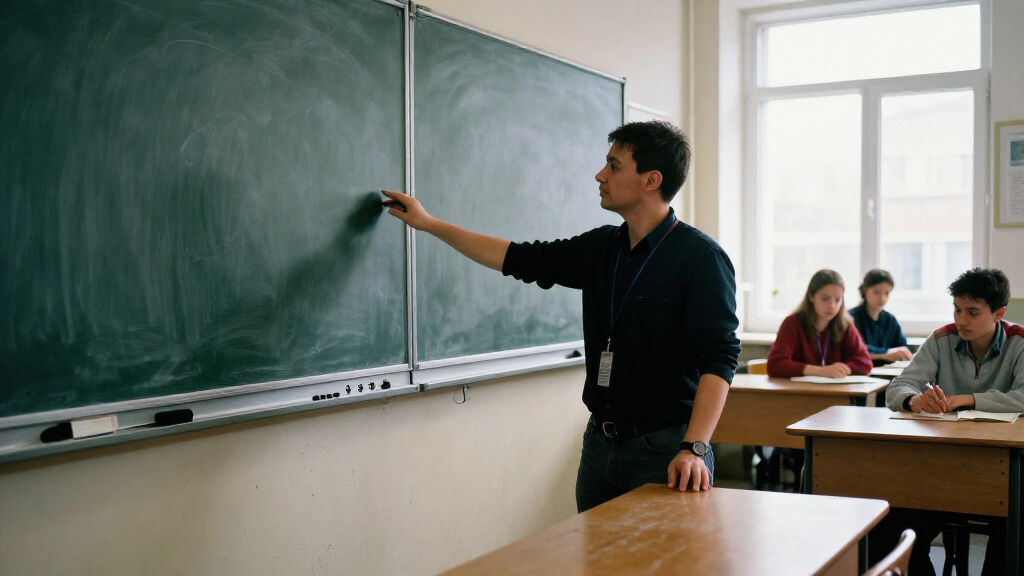
An analysis published on GitHub describes a software module for interactive displays in Moscow schools that can activate a microphone, record classroom audio and send recordings to servers run by the city’s Department of Information Technology. The module is installed through the department’s remote administration system, but the available report does not establish how often recordings were made, who authorized them or how the audio was used.
An analysis of software found on interactive displays in Moscow schools says a background module can activate a panel’s microphone on command from a server, record classroom audio and send the file to servers run by the city’s Department of Information Technology. Mediazona flagged the analysis, which was posted on GitHub; the report does not establish how widely the module was installed or whether recordings were routinely made.
According to the analysis described by Meduza, the module can be installed through the remote administration system operated by Moscow’s Department of Information Technology (DIT). Once installed, it runs as a background process without requiring action from a person using the display. The analysis says it can activate the microphone, record audio and transmit the resulting file to DIT servers.
The module’s reported behavior includes deleting the local recording from the device after sending it. That description comes from the published analysis; the source material does not provide independent testing results or details about the department’s storage practices, access controls or retention period.
The analysis identifies an earlier package named “Lesson audio recording agent” and a current version called “Agent supports lesson delivery.” The newer name no longer explicitly refers to recording. The source material does not explain when the name changed or whether the change corresponded to a change in the software’s functions.
Classroom Audio and Student Privacy
The reported capability raises questions about privacy in school classrooms, where interactive displays may be used around students and teachers. If a microphone can be activated remotely and recordings transmitted off the device, families and school staff may want to know when that can happen, who can issue commands and what safeguards apply.
The account does not show that the system was used to monitor particular people, that recordings were reviewed by officials, or that audio was collected at every school. Those distinctions matter: the analysis describes a technical capability, not verified evidence of the scale or purpose of any recording activity. Clear information from the responsible department would help establish whether the module was used, under what authority and how recorded material was handled.
The reported removal of local files also means that the device itself may not retain an obvious copy after transmission, according to the analysis. That does not establish whether server-side copies exist or how they might be audited. The key public-interest issue is whether recording is authorized, disclosed and limited, and whether students, parents and educators have a way to challenge or verify its use.
Products Worth Considering

eufy Security Floodlight Camera E30, 2K

Bose SoundLink Flex Bluetooth Speaker (2nd Gen) – Portable Outdoor Speaker with Hi‑Fi Audio, Waterproof and Dustproof, USB‑C, Up to 12 Hours

eufy Security Floodlight Camera E340 with AC Cable, Dual-Lens
As an affiliate, we earn on qualifying purchases.
How the Module Reaches School Displays
The reported installation route is Moscow’s DIT remote administration system, which can distribute software to interactive panels. The source material does not specify the number of schools or devices involved, nor does it say whether installation was automatic, limited to certain locations or dependent on a particular configuration.
The software’s two reported names offer a limited timeline: an earlier version was called “Lesson audio recording agent,” while the current version is named “Agent supports lesson delivery.” The naming difference is documented in the analysis, but the available account does not establish why it changed or whether the older and newer versions behave identically.
Meduza reported the findings on November 3, 2026, citing an analysis posted on GitHub and noting that Mediazona had drawn attention to it. The account provided here does not include a response from DIT, a school authority, or the module’s developer.
“The package installs a background process that runs without user involvement.”
— Meduza’s report, summarizing the module’s behavior
Installation, Use and Data Handling
The published account leaves several central facts unresolved. It does not establish how many panels or schools received the module, whether the microphone was activated in practice, how frequently recordings may have been made, or whether teachers, students and parents were notified.
It is also unclear who could send the server command, what purpose the recordings served, whether audio was reviewed by people or processed automatically, and how long any server-side files were retained. The report says the local copy is deleted after transmission, but gives no detail about server storage, access controls or deletion.
No response from DIT or other Moscow authorities is included in the supplied material, and the technical findings have not been accompanied here by an independent verification. The distinction between a module’s ability to record and evidence that it was used for recording remains unresolved.
Questions for Moscow’s IT Department
The next significant development would be a response from Moscow’s Department of Information Technology explaining the module’s purpose, installation scope and recording controls. The department could clarify whether microphone activation is limited to specific authorized circumstances and whether users receive notice when recording begins.
Further technical review could test the described behavior across versions and determine what data is sent, how commands are authenticated and whether recordings remain on DIT servers. Until such information is available, the reported analysis establishes a potential recording capability, but not the scale or actual use of classroom audio collection.
Key Questions
What software was reportedly found on Moscow school displays?
A GitHub analysis describes a background module for interactive panels that can activate a microphone on a server command, record classroom audio and send the file to DIT servers.
Does the report prove that classrooms were recorded?
No. The account describes the module’s reported capability and behavior. It does not establish how often it was activated or whether recordings were made in particular classrooms.
Who could install the module?
According to the analysis summarized by Meduza, it can be installed through the remote administration system run by Moscow’s Department of Information Technology. The report does not specify the installation scope.
What happens to audio recorded by the module?
The analysis says the audio file is sent to DIT servers and the local copy is then deleted from the panel. The source material does not say how server-side recordings are stored, accessed or retained.
Have Moscow authorities explained the software?
No response from DIT or other Moscow authorities appears in the supplied report. Its purpose, authorization rules and actual use remain unconfirmed.
Source: meduza.io