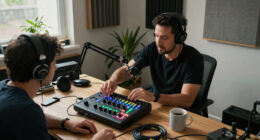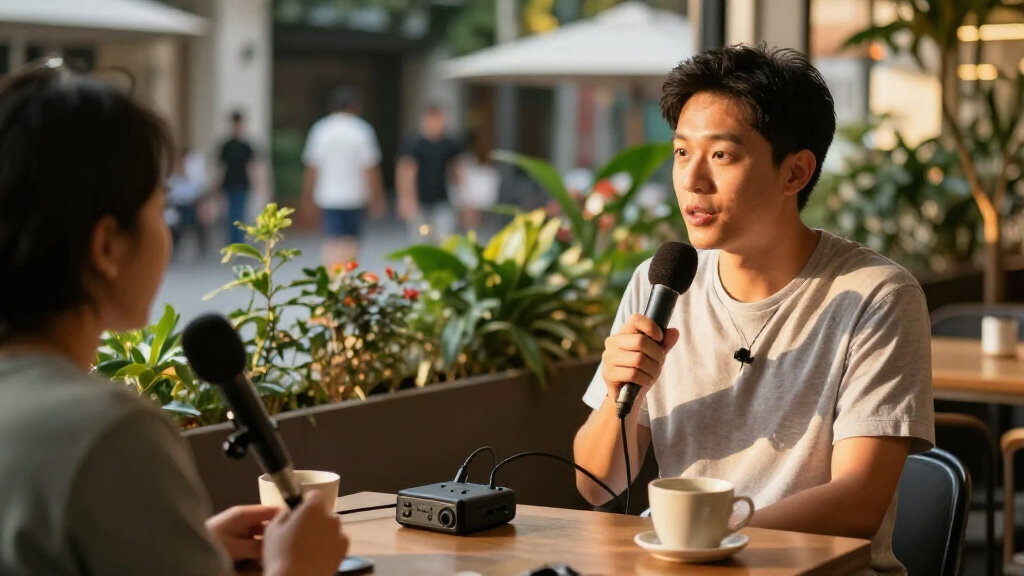

The best wireless podcast microphones balance clear voice capture with a setup that suits how and where you record. I rank the MAONO PD200W Hybrid Wireless Podcast Microphone as the best overall for its podcast-focused hybrid approach, while the DJI Mic 3 stands out for mobile creators who need a more capable multi-transmitter kit and the ZealSound K66 for buyers who want a desk-friendly USB option. The main tradeoff is between a microphone made for a seated podcast setup and a compact lavalier kit built for movement. Receiver and device compatibility, number of speakers, and backup recording options can matter more than a long feature list. Read on for the full breakdown and a guide to matching a wireless system to your show.

Get everyday essentials delivered free with Prime
- Fast, free delivery on millions of items
- Prime Video, Amazon Music and more included
- Member-only deals all year
Complete the kit


Key Takeaways
- The MAONO PD200W family leads for podcast-first use: its hybrid wireless-and-wired design suits a desk show better than a lavalier kit, though the similar PD200W listings make bundle details worth checking.
- DJI Mic 3 is the standout for mobile production: its two-transmitter kit and charging case prioritize a flexible recording workflow, unlike the more desk-oriented MAONO and ZealSound options.
- The two DJI Mic Mini listings serve different kit needs: the charging-case version favors repeat use and organized storage, while the mobile-receiver set is the simpler route when its included connections fit your device.
- ZealSound K66 models focus on direct computer and mobile use: the dual-mic version suits two voices at one setup, while a wireless lavalier can be easier to place when speakers move.
- Four-person and two-person kits solve different coordination problems: Gicorino‘s four-pack targets group recording, while MAONO‘s bundle for two is the more focused choice for a regular co-host show.
| DJI Mic Mini Wireless Microphone Set (2 Transmitters, Mobile Receiver) |  | Best for Phone-First Interviews | Transmitter weight: 10 g | Maximum transmission range: 300 m | Maximum operating time: 11.5 hours | VIEW LATEST PRICE | See Our Full Breakdown |
| MAONO PD200W Hybrid Wireless Podcast Microphone |  | Best for a Flexible Desk Setup | Microphone type: Dynamic | Connectivity: Wireless, USB, XLR | Connector type: USB Type-C and XLR | VIEW LATEST PRICE | See Our Full Breakdown |
| ZealSound K66 Wireless USB Microphone for PC, iPhone, iPad, and Android |  | Best for On-Mic Controls | Model: K66 | Audio capture: 48 kHz | Microphone type: Condenser | VIEW LATEST PRICE | See Our Full Breakdown |
| DJI Mic Mini Wireless Microphone Kit (2 Transmitters, 1 Receiver, Charging Case) | 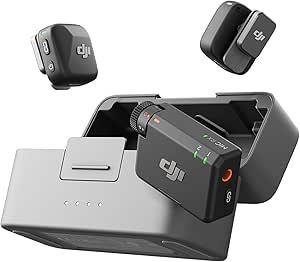 | Best for Long Field Sessions | Transmitter weight: 10 g | Maximum transmission range: 400 m | Sampling rate: 48 kHz | VIEW LATEST PRICE | See Our Full Breakdown |
| MAONO PD200W Hybrid Wireless Dynamic Podcast Microphone | 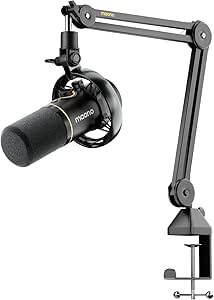 | Best for a Ready-to-Mount Desk | Connectivity: Wireless, USB-C, XLR | Microphone type: Dynamic | Pickup pattern: Cardioid (unidirectional) | VIEW LATEST PRICE | See Our Full Breakdown |
| Mini Mic Pro Wireless Lavalier Microphone for iPhone and Android | 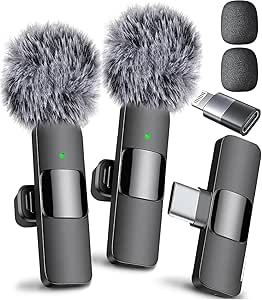 | Best Compact Phone Kit | Connectivity: Wireless | Connectors: Lightning and USB Type-C | Compatible devices: Android, laptop, smartphone, tablet, iPad, and iPhone | VIEW LATEST PRICE | See Our Full Breakdown |
| MAONO PD100W Wireless Dynamic Microphone for PC |  | Best for Desktop Podcasting | Microphone type: Dynamic | Connectivity: 2.4 GHz wireless and USB wired | Capsule: 30 mm dynamic capsule | VIEW LATEST PRICE | See Our Full Breakdown |
| MAONO PD200W Hybrid Wireless Dynamic Podcast Microphone |  | Best for Studio Expansion | Connectivity: Wireless, USB, and XLR | Connector type: USB Type-C and XLR | Microphone type: Dynamic | VIEW LATEST PRICE | See Our Full Breakdown |
| Gicorino 4-Pack Wireless Lavalier Microphone Kit for iPhone, Android, and Cameras |  | Best for Four-Person Interviews | Microphones: 4 | Connectivity: 2.4 GHz wireless; Lightning, USB-C, and 3.5 mm camera connections | Pickup pattern: Omnidirectional | VIEW LATEST PRICE | See Our Full Breakdown |
| MAONO PD200W Hybrid Wireless Podcast Microphone Bundle for Two |  | Best Two-Host Bundle | Microphone type: Dynamic | Included microphones: 2 | Connectivity: Wireless, USB, and XLR | VIEW LATEST PRICE | See Our Full Breakdown |
| DJI Mic 3 Wireless Microphone Kit (2 Transmitters, 1 Receiver, Charging Case) |  | Best for Multi-Person Field Podcasts | Microphone type: Lavalier | Included transmitters: 2; supports up to 4 transmitters | Connectors: 3.5 mm jack, USB Type-C | VIEW LATEST PRICE | See Our Full Breakdown |
| ZealSound K66 Dual Wireless Podcast Microphones with Noise Reduction |  | Best for Two-Person Plug-and-Play Sessions | Wireless connection: 2.4 GHz receiver | Included microphones: 2 | Audio resolution: 48 kHz/24-bit | VIEW LATEST PRICE | See Our Full Breakdown |
| wireless podcast microphone | Connectivity | Battery life | Microphone type | Wireless range |
|---|---|---|---|---|
| DJI Mic Mini Wireless Micropho | Bluetooth, Wi-Fi, USB Type-C | — | — | — |
| MAONO PD200W Hybrid Wireless P | Wireless, USB, XLR | Up to 60 hours with RGB lighting off | Dynamic | Up to 60 m |
| ZealSound K66 Wireless USB Mic | — | — | Condenser | — |
| DJI Mic Mini Wireless Micropho | Bluetooth, DJI OsmoAudio, USB Type-C | — | — | — |
| MAONO PD200W Hybrid Wireless D | Wireless, USB-C, XLR | Up to 60 hours with RGB lighting off | Dynamic | Up to 60 m |
| Mini Mic Pro Wireless Lavalier | Wireless | Up to 6 hours | — | — |
| MAONO PD100W Wireless Dynamic | 2.4 GHz wireless and USB wired | Up to 40 hours | Dynamic | Up to 50 m (160 ft) |
| MAONO PD200W Hybrid Wireless D | Wireless, USB, and XLR | Up to 60 hours with RGB lighting off | Dynamic | Up to 60 m |
| Gicorino 4-Pack Wireless Laval | 2.4 GHz wireless; Lightning, USB-C, and 3.5 mm camera connections | Up to 6 hours per transmitter | — | Up to 164 ft |
| MAONO PD200W Hybrid Wireless P | Wireless, USB, and XLR | Up to 60 hours with RGB lighting off | Dynamic | Up to 60 m |
| DJI Mic 3 Wireless Microphone | — | — | Lavalier | — |
| ZealSound K66 Dual Wireless Po | — | Up to 16 hours | — | — |
More Details on Our Top Picks
DJI Mic Mini Wireless Microphone Set (2 Transmitters, Mobile Receiver)
The DJI Mic Mini mobile set is a strong fit for two-person podcast clips recorded on a phone: its two 10 g transmitters are easy to wear, while the receiver connects to compatible phones, PCs, and tablets over USB-C. Compared with the DJI Mic Mini kit with charging case, this set specifies a mobile receiver and a longer 11.5-hour operating time, but does not list the case or that kit’s 400 m maximum range. Automatic audio limiting can help tame sudden peaks, and two noise-cancellation strengths give creators a choice between lighter processing and more aggressive cleanup. Its main compromise is a phone-oriented kit rather than a traditional podcast desk setup; buyers should also check device compatibility, since some Osmo Mobile models need an older multifunctional module.
Pros:- Two ultralight 10 g transmitters suit discreet on-camera interviews.
- USB-C mobile receiver works with compatible phones, PCs, and tablets.
- Two noise-cancellation levels let users choose how strongly to suppress background sound.
- Automatic audio limiting helps control sudden loud peaks.
Cons:- Not waterproof, limiting use in wet or exposed conditions.
- Some Osmo Mobile devices require a first-generation DJI OM Multifunctional Module.
- The product data does not list a charging case or the 400 m range specified for the other DJI Mic Mini kit.
Best for: Phone-based interviewers and mobile creators who need two discreet microphones with direct USB-C receiver connectivity.
Not ideal for: Podcasters who need a desktop dynamic mic, a charging case, or a specified long-range camera receiver setup.
- Transmitter weight:10 g
- Maximum transmission range:300 m
- Maximum operating time:11.5 hours
- Noise cancellation:Basic and Strong levels
- Audio format via OsmoAudio:48 kHz, 24-bit
- Connectivity:Bluetooth, Wi-Fi, USB Type-C
- Polar pattern:Omnidirectional
- Included:2 transmitters, 1 mobile receiver, accessories
Our verdict“Choose this set for convenient two-person phone recording, but pick the DJI Mic Mini kit with charging case if case-based charging and a stated 400 m range matter more.”
MAONO PD200W Hybrid Wireless Podcast Microphone
The MAONO PD200W is the most adaptable desk-focused choice here: its dynamic capsule can connect wirelessly, by USB-C, or through XLR, so a creator can start with a computer and later move to a conventional audio interface. That gives it a different purpose from the DJI Mic Mini mobile set, which is lighter and more convenient for interviews on the move but is not a desk microphone. The PD200W’s cardioid pickup and three-stage noise cancellation are aimed at keeping attention on a close-speaking host, while support for separate tracks from two wireless microphones suits co-hosts. Its 60-hour battery claim applies with RGB lighting off, and the 2.9-pound weight makes it a substantial desktop unit. Camera and Lightning accessories are not included, so mobile recording may require extra gear.
Pros:- Wireless, USB-C, and XLR connections support multiple recording setups.
- Dynamic cardioid design focuses capture on a close-speaking host.
- Three-stage noise cancellation offers adjustable background-noise control.
- Can support two wireless microphones recorded to separate tracks.
Cons:- Its 2.9-pound weight is better suited to a desk than mobile interviews.
- The 60-hour battery figure is specified with RGB lighting off.
- Camera and Lightning accessories are sold separately.
Best for: Home podcasters who want one dynamic microphone for wireless recording, USB computer use, and a future XLR interface.
Not ideal for: Traveling interviewers who prioritize a lightweight clip-on system, or camera and Lightning-device users who need included adapters.
- Microphone type:Dynamic
- Connectivity:Wireless, USB, XLR
- Connector type:USB Type-C and XLR
- Polar pattern:Unidirectional
- Signal-to-noise ratio:82 dB
- Maximum SPL:128 dB
- Wireless range:Up to 60 m
- Battery life:Up to 60 hours with RGB lighting off
- Weight:2.9 pounds
Our verdict“Pick the PD200W for a desk setup that may grow from USB recording to XLR, rather than the lighter DJI Mic Mini systems for mobile interviews.”
ZealSound K66 Wireless USB Microphone for PC, iPhone, iPad, and Android
The ZealSound K66 suits solo creators who want to adjust their sound without reaching for an app or computer. Its on-mic gain, echo, mute, and noise-reduction controls, plus a zero-latency headphone output, make quick monitoring and level changes straightforward during a recording. It also offers wireless 2.4 GHz receiver operation and a wired USB mode, while included USB-C and Lightning-compatible adapters extend its reach beyond a desktop. Compared with the MAONO PD200W, the K66 is more centered on direct device compatibility and hands-on controls; the MAONO instead adds XLR connectivity and a stated 60-hour battery life. The K66’s condenser, cardioid design is aimed at a single speaker, but its product data gives no battery-life or wireless-range figure, making it harder to plan longer sessions or distant recording.
Pros:- Works with a broad range of compatible computers, phones, and tablets.
- Wireless receiver and wired USB modes offer alternative connection paths.
- On-mic gain, mute, echo, and noise-reduction controls support quick adjustments.
- 3.5 mm zero-latency headphone monitoring helps track audio while recording.
Cons:- Requires a compatible device and connection through its receiver when used wirelessly.
- Product information does not specify battery life.
- Product information does not specify wireless range.
Best for: Solo podcasters and streamers who record across computers and mobile devices and want gain, mute, and headphone monitoring on the mic.
Not ideal for: People recording long sessions away from power or at a distance, since battery life and wireless range are not specified.
- Model:K66
- Audio capture:48 kHz
- Microphone type:Condenser
- Pickup pattern:Cardioid
- Wireless connection:2.4 GHz
- Monitoring:3.5 mm headphone jack with zero-latency monitoring
- Controls:Gain, echo, headphone volume, mute, noise reduction
- Connections:Wireless receiver and USB wired mode
- Included adapters:Lightning-compatible and USB-C
Our verdict“Choose the K66 for cross-device recording and hands-on monitoring, but favor the MAONO PD200W if a stated battery life and XLR connection are higher priorities.”
DJI Mic Mini Wireless Microphone Kit (2 Transmitters, 1 Receiver, Charging Case)
For interviews that run across a full day of filming, the DJI Mic Mini kit with charging case has the clearest practical advantage in this group: the case brings stated battery life to up to 48 hours, and the system lists a 400 m maximum transmission range. Two 10 g transmitters keep the microphones discreet, while basic and strong noise cancellation and automatic limiting help handle changing environments and speech peaks. Compared with the DJI Mic Mini mobile set, this version includes a receiver and charging case and lists a longer maximum range, making it a better match for camera or smartphone shoots that need kit-based charging. It is less compelling for a fixed podcast desk, where the MAONO PD200W offers XLR and USB connections. The DJI kit is also not waterproof, and Osmo Mobile compatibility can require an older module.
Pros:- Charging case supports up to 48 hours of stated battery life.
- 400 m maximum transmission range suits shoots where speakers and receiver may be far apart.
- Two 10 g transmitters are light and discreet for interviews.
- Two noise-cancellation levels and automatic limiting help manage changing sound conditions.
Cons:- Not waterproof.
- Some Osmo Mobile connections require a first-generation DJI OM Multifunctional Module.
- Lacks the USB and XLR desk-microphone versatility of the MAONO PD200W.
Best for: Mobile interviewers and video podcasters who need two transmitters, a charging case, and long-range operation between charging opportunities.
Not ideal for: Desk-based hosts who want a dynamic XLR microphone, or anyone recording in wet conditions or relying on unsupported Osmo Mobile hardware.
- Transmitter weight:10 g
- Maximum transmission range:400 m
- Sampling rate:48 kHz
- Maximum SPL:120 dB
- Battery life with charging case:Up to 48 hours
- Connectivity:Bluetooth, DJI OsmoAudio, USB Type-C
- Compatible devices:Camera, smartphone
- Noise cancellation:Basic and Strong levels
- Included:2 transmitters, 1 receiver, charging case, accessories
Our verdict“Choose this DJI kit for extended two-person field recording, while desk podcasters should look to the MAONO PD200W for USB and XLR options.”
MAONO PD200W Hybrid Wireless Dynamic Podcast Microphone
This MAONO PD200W bundle is the desk-oriented pick for podcasters who want a boom arm included rather than assembling a stand separately. It shares the core appeal of the other MAONO PD200W in this roundup: wireless, USB-C, and XLR connections let a host move between computer recording and an audio-interface setup, while the dynamic cardioid design and three-stage noise cancellation suit close-miked speech. The listed 60-hour battery life applies with RGB lighting off, and two wireless microphones can be recorded to separate tracks. Compared with the PD200W version with a desktop stand, this package is better suited to positioning the mic over a desk; it is still much less portable than the DJI Mic Mini transmitters. Camera and Lightning receivers are sold separately, and the listed frequency-response limit of 16 kHz may matter to buyers seeking broader published specifications.
Pros:- Included boom arm makes desk mounting straightforward.
- Wireless, USB-C, and XLR connections accommodate different recording systems.
- Three-stage noise cancellation and cardioid pickup are aimed at speech-focused recording.
- Supports two wireless microphones on separate recording tracks.
Cons:- Camera and Lightning receivers are sold separately.
- The 60-hour battery figure is specified with RGB lighting off.
- The listed frequency response is limited to 16 kHz.
Best for: Home podcasters who want a boom-arm-mounted dynamic mic with wireless flexibility and USB-C or XLR recording options.
Not ideal for: Mobile interviewers, camera users who need included receivers, or buyers who prefer a compact clip-on microphone.
- Connectivity:Wireless, USB-C, XLR
- Microphone type:Dynamic
- Pickup pattern:Cardioid (unidirectional)
- Signal-to-noise ratio:82 dB
- Maximum SPL:128 dB
- Wireless range:Up to 60 m
- Battery life:Up to 60 hours with RGB lighting off
- Weight:1.92 kg
- Included accessories:Boom arm, USB-C to USB-A&C cable, Type-C receiver, Type-C adapter cable
Our verdict“Choose this bundle if you want a boom-arm desk setup with wireless and XLR flexibility, but skip it for lightweight field recording or included camera connections.”
Mini Mic Pro Wireless Lavalier Microphone for iPhone and Android
The Mini Mic Pro suits mobile podcasters who want to clip on a mic and record without carrying a desktop setup. Its included Lightning and USB-C adapters make it easier to move between many phones and tablets than the MAONO PD100W, which requires a separate receiver for iPhone use. Two lavalier microphones are included, so it can handle a simple two-person conversation, while foam and deadcat covers give it more flexibility outdoors than a bare mic kit. The tradeoff is its six-hour battery limit and reliance on a battery-powered setup; the MAONO PD200W is a better fit for longer sessions and more formal studio workflows. I’d choose this for portable voice recording, not for buyers seeking XLR expansion or clearly specified charging time.
Pros:- Includes Lightning and USB-C adapters for broad device compatibility
- Two lavalier microphones support simple two-person recordings
- Compact, lightweight design with a listed weight of 80 g
- Foam and deadcat covers help manage indoor and outdoor wind noise
Cons:- Up to six hours of battery life may not cover extended recording days
- Charging time is not specified
- Battery-powered operation adds charging and power management to the setup
Best for: Mobile podcasters and interviewers recording on Lightning or USB-C phones who want a compact two-mic lavalier kit with wind covers.
Not ideal for: Podcasters recording long sessions or building an XLR-based studio, since battery life is up to six hours and no XLR connection is listed.
- Connectivity:Wireless
- Connectors:Lightning and USB Type-C
- Compatible devices:Android, laptop, smartphone, tablet, iPad, and iPhone
- Microphone pattern:Omnidirectional
- Battery life:Up to 6 hours
- Frequency:2.4 GHz
- Weight:80 g
- Included components:2 lavalier microphones, 1 receiver, USB charging cable, 2 clips, 2 foam tips, and 2 deadcat tips
Our verdict“Choose the Mini Mic Pro for portable phone-based interviews and skip it if you need longer runtime or studio-style XLR connectivity.”
MAONO PD100W Wireless Dynamic Microphone for PC
The MAONO PD100W is the more desk-focused choice here: its dynamic cardioid capsule, headphone monitoring, and touch mute suit a host who records at a computer and wants direct control over a solo voice track. Unlike the Mini Mic Pro’s clip-on lavaliers, this is a desktop-style wireless microphone with a USB wired fallback, so a depleted battery need not end a session if a cable is available. Its stated 40-hour battery life and 50-meter range also give it more staying power than the Mini Mic Pro. The tradeoff is less flexibility for walking interviews, and the iPhone connection needs a separate Lightning receiver. It also lacks the PD200W’s XLR option and two-mic separate-track workflow, making it a simpler PC pick rather than a scalable podcast system.
Pros:- Wireless 2.4 GHz and USB wired modes offer two connection paths
- Cardioid dynamic capsule and adjustable noise reduction suit focused voice capture
- Up to 40 hours of stated battery life and up to 50 m wireless range
- 3.5 mm headphone monitoring and touch mute provide useful recording controls
Cons:- iPhone use requires a separate PD100W Lightning receiver
- Not compatible with Xbox consoles
- Does not offer the PD200W’s XLR connection or two-microphone separate-track setup
Best for: Solo podcasters and streamers recording at a computer who want a dynamic cardioid mic, headphone monitoring, and wireless or USB operation.
Not ideal for: iPhone-first creators who want a ready-to-use wireless connection, or co-hosts who need two microphones recorded on separate tracks.
- Microphone type:Dynamic
- Connectivity:2.4 GHz wireless and USB wired
- Capsule:30 mm dynamic capsule
- Pickup pattern:Cardioid
- Noise reduction:3 adjustable levels
- Battery life:Up to 40 hours
- Wireless range:Up to 50 m (160 ft)
- Monitoring:3.5 mm headphone jack
- Compatibility:Computer, mobile phone, laptop, and PS5; not compatible with Xbox consoles
Our verdict“Pick the PD100W for a controlled solo desktop setup, but choose the PD200W if you need XLR or a two-mic podcast workflow.”
MAONO PD200W Hybrid Wireless Dynamic Podcast Microphone
The MAONO PD200W earns its place as the most adaptable single-mic option in this group. Wireless, USB, and XLR connectivity let a podcaster start with a simple computer setup and later connect to an audio interface, a path the PD100W does not offer. Its cardioid pattern and three-stage noise cancellation are aimed at keeping attention on the speaker, while app-based controls allow sound adjustments without relying only on physical controls. It can also support two wireless microphones with separate tracks, making it more suitable than the Mini Mic Pro for a growing co-host setup. The compromises are its substantial listed 1.32 kg weight and the need to buy camera or Lightning accessories separately. Its 60-hour battery claim applies with RGB lighting off, so lighting choices affect runtime.
Pros:- Wireless, USB, and XLR connectivity supports several recording setups
- Can support two wireless microphones with separate tracks
- Three-stage noise cancellation and app-based audio controls offer sound-shaping options
- Up to 60 hours of battery life with RGB lighting off
Cons:- Camera and Lightning accessories are sold separately
- The listed weight of 1.32 kg makes it less convenient for mobile recording
- The 60-hour battery figure applies with RGB lighting off
Best for: Podcast hosts who want one dynamic mic that can move from wireless or USB recording to an XLR audio-interface setup.
Not ideal for: Traveling creators who prioritize a light kit, or iPhone and camera users who expect those connection accessories in the box.
- Connectivity:Wireless, USB, and XLR
- Connector type:USB Type-C and XLR
- Microphone type:Dynamic
- Polar pattern:Unidirectional (cardioid)
- Signal-to-noise ratio:82 dB
- Maximum SPL:128 dB
- Wireless range:Up to 60 m
- Battery life:Up to 60 hours with RGB lighting off
- Weight:1.32 kg
Our verdict“Choose the PD200W if you want a single-mic system with a path to XLR and separate-track two-mic recording.”
Gicorino 4-Pack Wireless Lavalier Microphone Kit for iPhone, Android, and Cameras
When a podcast regularly brings several guests into the same conversation, the Gicorino 4-Pack solves a different problem from the two-mic Mini Mic Pro: it supports up to four microphones at once. Its 3-in-1 receiver connections cover Lightning, USB-C, and 3.5 mm camera inputs, giving a group interview more recording-device options than the phone-oriented Mini Mic Pro. The stated 164-foot range may help when speakers are spread out, and the receiver can allow phone charging during a recording. The tradeoff is that the four transmitters share one channel, so the listed specs do not promise isolated tracks for each speaker like the MAONO PD200W’s separate-track mode. Each transmitter is rated for up to six hours, and Android users must enable OTG.
Pros:- Supports simultaneous recording with up to four microphones
- 3-in-1 receiver offers Lightning, USB-C, and 3.5 mm camera connections
- Stated wireless range reaches up to 164 ft
- Receiver can allow phone charging during recording
Cons:- Android devices require OTG to be enabled
- Each transmitter has up to six hours of battery life
- The listed single-channel setup does not specify isolated tracks for each microphone
Best for: Interviewers, small-panel hosts, and event podcasters who need to mic as many as four speakers using compatible phones, cameras, or computers.
Not ideal for: Podcasters who need separate audio tracks for each speaker, or Android users unable to enable OTG on their device.
- Microphones:4
- Connectivity:2.4 GHz wireless; Lightning, USB-C, and 3.5 mm camera connections
- Pickup pattern:Omnidirectional
- Wireless range:Up to 164 ft
- Battery life:Up to 6 hours per transmitter
- Charging time:1.5 hours
- Channels:1
- Signal-to-noise ratio:80 dB
- Included accessories:3-in-1 receiver, USB adapter, clips, wind covers, charging cables, wired headphones, storage case, and instruction booklet
Our verdict“Choose the Gicorino kit for larger group interviews, but select a separate-track system if each speaker needs an independent recording.”
MAONO PD200W Hybrid Wireless Podcast Microphone Bundle for Two
This PD200W bundle for two is the clearest choice for co-hosts who want matching desktop microphones and a shared receiver. Both dynamic cardioid mics support wireless, USB, and XLR connections, and the system can record the pair on separate tracks—a more useful editing setup for two voices than the Gicorino kit’s listed single channel. Compared with buying one PD200W, this bundle includes two desktop stands and two USB-C cables, so both hosts have a basic desk setup from the start. Its 60-meter range and up to 60-hour battery life with RGB off also suit longer recording blocks. The tradeoff is that camera and Lightning accessories are not included, and the stated battery duration depends on leaving RGB lighting off.
Pros:- Includes two dynamic cardioid microphones for a ready two-host setup
- Supports wireless, USB, and XLR recording
- Two microphones can connect to one receiver with separate tracks
- Noise cancellation, up to 60 m range, and up to 60 hours of battery life with RGB off
Cons:- Camera and Lightning accessories are sold separately
- The stated 60-hour battery life applies with RGB lighting off
- Desktop stands make the kit less suited to mobile, clip-on recording
Best for: Two-host podcast teams recording at a desk who want separate tracks and the option to use wireless, USB, or XLR connections.
Not ideal for: Mobile interviewers who need a lightweight clip-on system, or iPhone and camera users who need the required connection accessories included.
- Microphone type:Dynamic
- Included microphones:2
- Connectivity:Wireless, USB, and XLR
- Pickup pattern:Cardioid, unidirectional
- Signal-to-noise ratio:82 dB
- Maximum SPL:128 dB
- Wireless range:Up to 60 m
- Battery life:Up to 60 hours with RGB lighting off
- Included accessories:2 desktop stands, 2 USB-C cables, Type-C receiver, and Type-C adapter cable
Our verdict“Choose this bundle over the single PD200W when two desk-based hosts need separate tracks and matching microphones.”
DJI Mic 3 Wireless Microphone Kit (2 Transmitters, 1 Receiver, Charging Case)
The DJI Mic 3 is the stronger fit for interviews and podcasts recorded away from a desk: its two transmitters can expand to support up to four speakers, while onboard dual-file 32-bit float recording provides a backup that can help protect takes when levels vary. Adaptive gain and adjustable noise cancellation also give it more recording control than the ZealSound K66 Dual Wireless Podcast Microphones, whose appeal is its straightforward dual-mic setup and direct monitoring.
The tradeoff is a lavalier workflow rather than a conventional podcast mic on a stand, so placement and clothing noise need attention. Its listed frequency response of 500 GHz appears unreliable, making that specification difficult to use as a buying guide. Choose this DJI kit for mobile, multi-person sessions; skip it if you want a simple desktop setup or dependable frequency-response documentation.
Pros:- Supports up to four transmitters for recording larger interview groups.
- Dual-file 32-bit float internal recording provides a backup when recording levels vary.
- Adaptive gain control and two noise-cancellation levels offer useful control in changing environments.
- Charging case supports up to 28 hours of use and keeps the kit portable.
Cons:- Lavalier placement can pick up clothing noise and requires more setup care than a desktop microphone.
- The listed 500 GHz frequency response appears inaccurate, limiting the usefulness of that spec.
- Direct connection to the Osmo Mobile series requires a first-generation DJI OM Multifunctional Module.
Best for: Mobile interviewers and podcast teams who need discreet microphones, expandable speaker capacity, and onboard recording backup.
Not ideal for: Solo desktop podcasters who want a fixed, stand-mounted microphone and a simple plug-in workflow.
- Microphone type:Lavalier
- Included transmitters:2; supports up to 4 transmitters
- Connectors:3.5 mm jack, USB Type-C
- Internal recording:Dual-file 32-bit float
- Maximum operating time:Up to 28 hours with charging case
- Channels:4
- Dimensions:4.21 x 2.32 x 1.69 inches
- Weight:221.2 g
Our verdict“Choose the DJI Mic 3 for portable interviews and expandable group recordings; choose a desktop-style kit if you prioritize a fixed mic position.”
ZealSound K66 Dual Wireless Podcast Microphones with Noise Reduction
The ZealSound K66 Dual suits co-hosts who want two separate microphones and a simple connection to a phone, tablet, or computer. Its 2.4 GHz receiver includes USB-C and Lightning adapters, and each mic has its own gain, mute, echo, and headphone-monitoring controls. That hands-on approach makes it more approachable for a fixed two-person conversation than the DJI Mic 3, which is more geared toward mobile lavalier recording and offers onboard 32-bit float backup.
The K66’s zero-latency monitoring helps speakers hear their voice while recording, and it can run for up to 16 hours wirelessly or operate while charging. Its limits are just as clear: both microphones must use wireless mode when connected to one device, and Bluetooth handles music input rather than microphone audio. Pick it for accessible two-person recording, not for a highly expandable field kit.
Pros:- Two microphones connect to one device for co-host or interview recording.
- USB-C and Lightning adapters support a broad range of phones and tablets.
- Separate gain, echo, and mute controls let each speaker adjust their own microphone.
- Zero-latency headphone monitoring and up to 16 hours of wireless use support longer sessions.
Cons:- Both microphones must operate in wireless mode when used with one device.
- Bluetooth is for music input only and does not carry microphone audio.
- The two-microphone setup is less expandable than the DJI Mic 3, which supports up to four transmitters.
Best for: Two-person podcast hosts, interview partners, and streamers who need separate mic controls and adapters for common phones and computers.
Not ideal for: Recording teams that need more than two microphones, Bluetooth microphone transmission, or the DJI Mic 3’s onboard backup recording.
- Wireless connection:2.4 GHz receiver
- Included microphones:2
- Audio resolution:48 kHz/24-bit
- Microphone pattern:Cardioid
- Battery life:Up to 16 hours
- Recharge time:Approximately 3 hours
- Monitoring:3.5 mm headphone jack with zero-latency monitoring
- Compatibility:PC, Mac, PS4/PS5, iPhone, iPad, USB-C Android phones, and tablets
Our verdict“Choose the ZealSound K66 Dual for a convenient two-person setup with direct monitoring and broad device adapters.”

How We Picked
I ranked these wireless podcast microphones by how well their recording format matches common podcast setups: a solo desk show, a two-person conversation, a moving interview, or a larger group. I weighed the practical value of wireless and wired operation, the included transmitter and receiver configuration, device compatibility, setup complexity, and whether the kit appears suited to spoken voice rather than general mobile capture. A feature only counted as useful when it could reduce setup friction or improve flexibility for a likely buyer.
The order reflects podcast fit and versatility, not a claim that every product has been independently measured in the same room. Hybrid dynamic microphones rank ahead for fixed podcast setups because they are shaped around desk recording; DJI kits rank well for mobility and multi-person capture; lavaliers rank for unobtrusive placement and movement. I also separated closely named bundles by their stated contents and intended use, while treating duplicated MAONO PD200W listings cautiously: buyers should compare the exact package and included accessories before choosing between them.
| wireless podcast microphone | Microphone type | Wireless range | Battery life |
|---|---|---|---|
| DJI Mic Mini Wireless Micropho | — | — | — |
| MAONO PD200W Hybrid Wireless P | Dynamic | Up to 60 m | Up to 60 hours with RGB lighting off |
| ZealSound K66 Wireless USB Mic | Condenser | — | — |
| DJI Mic Mini Wireless Micropho | — | — | — |
| MAONO PD200W Hybrid Wireless D | Dynamic | Up to 60 m | Up to 60 hours with RGB lighting off |
| Mini Mic Pro Wireless Lavalier | — | — | Up to 6 hours |
| MAONO PD100W Wireless Dynamic | Dynamic | Up to 50 m (160 ft) | Up to 40 hours |
| MAONO PD200W Hybrid Wireless D | Dynamic | Up to 60 m | Up to 60 hours with RGB lighting off |
| Gicorino 4-Pack Wireless Laval | — | Up to 164 ft | Up to 6 hours per transmitter |
| MAONO PD200W Hybrid Wireless P | Dynamic | Up to 60 m | Up to 60 hours with RGB lighting off |
| DJI Mic 3 Wireless Microphone | Lavalier | — | — |
| ZealSound K66 Dual Wireless Po | — | — | Up to 16 hours |
Factors to Consider When Choosing Wireless Podcast Microphones
Before choosing a kit, I would start with the recording situation rather than the word “wireless.” The right system depends on where each speaker sits, how many people need a mic, what device records the show, and how much setup you want to manage. These broader checks can prevent a convenient-looking kit from becoming a compatibility or workflow headache.
Match the microphone format to how you record
A desk-based podcast and a walking interview place different demands on a mic. A larger dynamic microphone can keep the recording position consistent when a host stays near a desk, while a lavalier clips to clothing and keeps the speaker mic’d while moving. Neither format is automatically better: a lavalier can capture clothing rub or placement changes, and a desk mic asks speakers to stay near it. Think about whether your show depends on natural movement, fixed seating, or a mix of both. If you record in several settings, a system with more than one recording format may be worth the added setup choices.
Count speakers and transmitters before buying
Count the people who need separate microphones at the same time, not just the total number of people who might appear on the show. A two-transmitter kit can handle a host and guest, while a four-mic pack is more relevant for a panel or group interview. A shared mic can sound less consistent when speakers sit at different distances, even if it reduces equipment. Also check whether the receiver can accept the number of transmitters included and whether the connection you need is part of the package. Buying extra channels you rarely use adds setup overhead; buying too few can force a change in how you record.
Check the complete signal path to your recording device
Wireless transmission is only one link in the recording chain. Confirm how the receiver connects to your phone, tablet, camera, or computer, and check whether the included cable or adapter matches the actual device and port. A listing that mentions broad compatibility may still require an accessory or a different connection method for your setup. If you record directly into a computer, check whether the system behaves as a usable input for your recording software. For a phone-based show, verify how you will monitor the recording and whether the phone can be charged while the receiver is connected.
Decide whether wireless freedom is worth the added workflow
Wireless kits add transmitters to charge, pair, store, and keep track of. That extra work makes sense for interviews, shared spaces, or recording away from a desk, but a stationary solo host may gain little from a transmitter clipped to a shirt. Hybrid options can preserve a wired connection when wireless is unnecessary or unavailable, though they may offer more controls and components to manage. Before paying for extra flexibility, list the situations where a cable would genuinely limit your show. A simpler connection can be the better choice when speed and repeatability matter most.
Plan for monitoring, backups, and a noisy room
Microphone placement and room sound often shape speech quality more than extra wireless features. Check whether you can monitor audio while recording, and consider how you would notice a loose connection or an incorrectly placed transmitter before finishing a session. Noise-reduction features can help with some background sound, but they cannot make a reverberant room or loud surroundings disappear without tradeoffs. A quiet room, soft furnishings, and consistent mic distance are useful first steps. For interviews that are hard to repeat, favor a workflow with a dependable way to check recordings and keep a backup when your setup supports one.
Compare the package contents, not just the product name
Several products in this roundup have closely related names, and a kit name alone may not reveal what arrives in the box. Compare transmitter count, receiver type, charging case, cables, and any accessories needed for your devices. A case can make a kit easier to store and recharge between sessions, while a bundle for two may include a more practical arrangement for a recurring co-host setup. Do not assume two versions of the same microphone are identical packages. Check the exact listing configuration before deciding that one is a better fit.
Frequently Asked Questions
Are wireless microphones a good choice for a podcast recorded at a desk?
They can be, especially when hosts need to move or want to avoid cables crossing the recording area. For a stationary solo show, a wireless kit may add transmitters, charging, and pairing steps without changing much about the finished workflow. A hybrid microphone such as the MAONO PD200W line offers a more podcast-oriented desk format while retaining wireless flexibility. I would choose a wireless desk setup when cable management or occasional movement is a real need, rather than for the wireless label alone. Check how the receiver connects to your recording device before committing.
Should I choose a two-transmitter kit or a microphone bundle for two hosts?
Look at how each host will wear or position a microphone and how the receiver sends both voices to the recording device. A two-transmitter lavalier kit suits co-hosts who move around, while a pair of desk-style microphones may better match a fixed conversation setup. The product title alone does not confirm that both microphones can be recorded as separate channels, so check the stated routing and compatibility. Separate tracks can make editing each voice easier, but they are not required for every show. Choose based on the recording workflow you can manage consistently.
Will a wireless podcast microphone work with my phone and computer?
Compatibility depends on the receiver and connection path, not just the microphone transmitter. Check the exact phone port, computer input, included cables, and whether the recording app recognizes the receiver as an audio source. Some products list several device types but may need an adapter for a particular model. If you plan to switch between phone and computer, confirm that both workflows are supported with the accessories you have. A short setup check before recording a full episode can catch connection or app issues.
Do I need a charging case for a wireless podcast microphone?
A case is most useful when you record away from a permanent desk or carry the kit between locations. It can keep small transmitters together and support a more organized charging routine, which reduces the chance of arriving with a depleted unit. A fixed studio setup may not benefit as much if the transmitters can be charged and stored in one place. Compare the case version with the other package contents rather than treating the case as a guarantee of better audio. If portability is central to your show, the added storage convenience can be meaningful.
Can noise reduction replace a quiet recording space?
No. Noise reduction may reduce some steady background sounds, but it cannot reliably fix every loud or changing noise, room echo, or poor mic placement. Strong processing can also alter the voice, so it is better treated as an extra tool than as a substitute for a suitable room. For a podcast, placing the mic consistently and reducing nearby noise often helps more than relying on processing alone. If you record in changing locations, listen to a short test before a full session. That check can reveal room problems while there is still time to adjust.
Conclusion
For most podcast hosts, I would start with the MAONO PD200W Hybrid Wireless Podcast Microphone as the best overall choice because its hybrid, podcast-focused format suits a regular desk show while keeping wireless operation available. For best value within this lineup, I would compare the included contents of the MAONO PD100W and PD200W listings against the setup you actually need instead of paying for unused extras. The DJI Mic 3 is my best premium-style pick for mobile creators and multi-person recording, while the ZealSound K66 is a practical beginner option for buyers who want direct computer or mobile use in a desk-friendly format. Choose the DJI Mic Mini charging-case kit if organized charging and portability matter, the Gicorino four-pack for a larger group, and the MAONO bundle for two for a regular co-host arrangement. If you mostly record alone in one place, favor a simple, compatible setup over extra transmitters you will rarely use.
Fall Picks

eufy Security Essential 7-Piece Alarm System
As an affiliate, we earn on qualifying purchases.