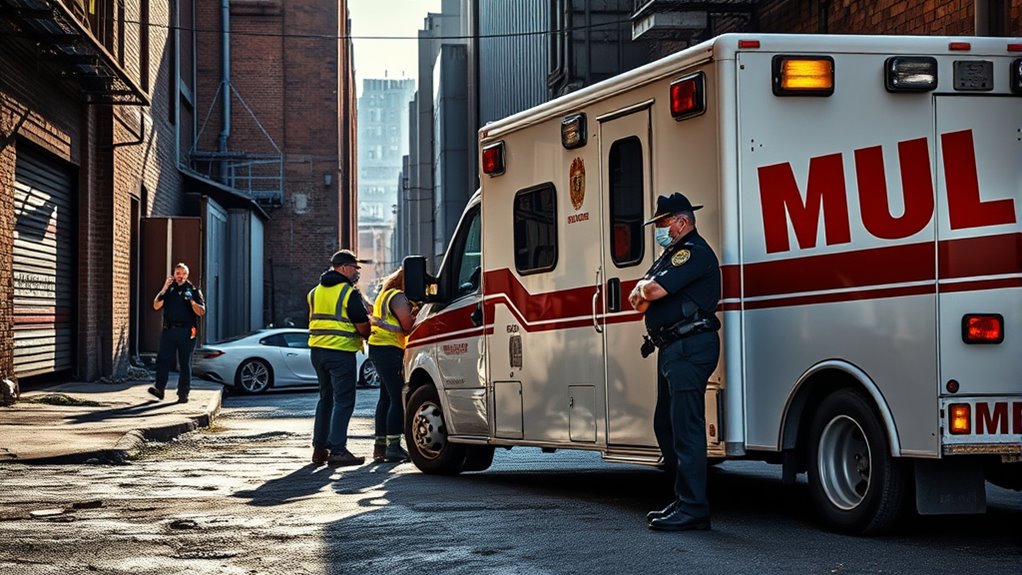

Missouri fights the fentanyl crisis through a combination of law enforcement, prevention, and community efforts. Police deploy specialized teams to seize synthetic drugs and disrupt supply chains, while officers carry naloxone to save overdose victims. Community campaigns spread awareness about fentanyl’s dangers, and educational programs empower people to act quickly. Supporting these initiatives is essential. If you want to understand how these strategies work together to protect communities, keep exploring Missouri’s approach to this pressing issue.
Key Takeaways
- Missouri law enforcement deploys specialized teams to seize fentanyl and dismantle trafficking networks.
- Officers are equipped with naloxone and trained to respond swiftly to overdose incidents.
- Community campaigns raise awareness about fentanyl risks and overdose recognition.
- Collaboration between law enforcement and public health officials enhances overdose prevention strategies.
- Disrupting supply chains and engaging communities are key to reducing fentanyl-related fatalities.

The fentanyl crisis has rapidly become one of the most urgent public health threats today. As synthetic opioids like fentanyl flood communities, you need to understand how local efforts are combating this surge. Overdose prevention is at the core of these initiatives, relying heavily on law enforcement to disrupt the supply chain and save lives. Law enforcement agencies in Missouri are taking aggressive steps, deploying specialized teams trained to identify and seize fentanyl-laced drugs before they reach users. They’re also working closely with public health officials to develop strategies aimed at reducing overdose deaths and raising awareness about the dangers of fentanyl. This collaborative approach helps guarantee that community members aren’t left vulnerable and that resources are allocated thoroughly. Incorporating holistic approaches to health and wellness enhances community resilience against substance misuse.
Law enforcement in Missouri actively seizes fentanyl to curb overdoses and protect communities.
You play a crucial role in overdose prevention efforts. Access to naloxone, a medication that can reverse opioid overdoses, is a key component of this strategy. Law enforcement officers in Missouri are increasingly equipped with naloxone and trained to administer it in emergency situations. Their presence at overdose scenes not only saves lives in the moment but also serves as a reminder to the community about the importance of being prepared. Additionally, some jurisdictions are establishing overdose response teams that can quickly respond to multiple incidents, helping to prevent fatalities and reduce the strain on emergency services.
Education campaigns are another powerful tool in Missouri’s fight against fentanyl. You can help by spreading awareness about the risks of synthetic drugs and the importance of overdose prevention measures. These campaigns often target vulnerable populations, including teenagers and individuals with a history of substance use, to inform them about the lethal potency of fentanyl. Law enforcement agencies frequently collaborate with community organizations to distribute educational materials, hold informational sessions, and promote safe practices. The goal is to empower you and your neighbors to recognize the signs of overdose and to act swiftly.
Missouri’s approach also involves cracking down on illegal manufacturing and distribution networks. Law enforcement agencies are using advanced technology and intelligence-sharing to track down traffickers and disrupt supply chains. These efforts aim to reduce the availability of fentanyl in local markets, making it harder for users to obtain dangerous synthetic drugs. When you combine these enforcement actions with overdose prevention initiatives and community engagement, you’re part of a wide-ranging strategy to combat this crisis.
Ultimately, fighting the fentanyl crisis requires your awareness, cooperation, and proactive measures. Law enforcement’s work in seizing drugs and preventing overdoses directly impacts your community’s safety. By staying informed, supporting prevention programs, and advocating for policies that reduce drug supply and demand, you contribute to the broader effort to save lives and curb this devastating epidemic.

Padagis Naloxone HCI Nasal Spray, 4 mg – Emergency Treatment for Opioid Overdose – Rapid-Response Opioid Overdose Reversal, 2 Dose Single Use Nasal Spray
QUICK & EFFECTIVE: Padagis Naloxone HCl Nasal Spray delivers a dose of naloxone, designed to provide quick and…
As an affiliate, we earn on qualifying purchases.
As an affiliate, we earn on qualifying purchases.
Frequently Asked Questions
How Does Missouri Identify New Synthetic Drug Trends?
You can stay ahead of synthetic drug trends by closely monitoring policy updates and collaborating with laboratories for advanced testing. Missouri uses real-time data from law enforcement and health agencies, combined with laboratory testing, to identify new substances quickly. This proactive approach helps detect emerging synthetic drugs early, enabling authorities to adapt policies swiftly and implement targeted interventions to combat the evolving fentanyl crisis effectively.
What Community Programs Support Addiction Prevention in Missouri?
You can get involved in community programs that focus on addiction prevention in Missouri, like local community outreach and youth engagement initiatives. These programs aim to educate your community about the dangers of synthetic drugs and provide support for those at risk. By participating in or supporting these efforts, you help create a safer environment and reduce the likelihood of addiction, especially among youth.
Are There Long-Term Recovery Initiatives for Fentanyl Users?
Yes, Missouri offers long-term recovery programs that provide ongoing support for fentanyl users. You can access recovery programs that include counseling, medication-assisted treatment, and peer support groups designed for sustained recovery. These programs focus on long-term support, helping you rebuild your life and stay sober. By participating in these initiatives, you receive continuous care tailored to your needs, increasing your chances of lasting recovery from fentanyl addiction.
How Does Missouri Coordinate With Federal Agencies on Synthetic Drug Enforcement?
Missouri actively coordinates with federal agencies through interagency collaboration to combat synthetic drugs. You’ll see state and federal partners sharing intelligence, resources, and strategies to enforce policies effectively. This joint effort helps develop extensive policies that target drug manufacturing and distribution networks. By working together, Missouri ensures that enforcement is coordinated, swift, and adaptable, ultimately strengthening the fight against synthetic drug proliferation and protecting communities from fentanyl-related harms.
What Funding Sources Support Missouri’s Fentanyl Crisis Response Efforts?
You’re backed by an arsenal of funding sources that seem almost limitless, including generous state grants and essential private donations fueling Missouri’s fentanyl crisis response efforts. These funds empower law enforcement, public health initiatives, and community programs, creating a formidable front against synthetic drugs. By leveraging both public and private support, you can implement innovative strategies and expand prevention, treatment, and enforcement efforts to combat this urgent crisis effectively.

Naloxone Case for Opioid Overdose Response Kits | Custom Designed Hardshell with Double Pocket – Holds All Formulations of Naloxone | Does NOT Include Nasal Spray (Size 7" x 4.5" x 2") (Black – 1)
CUSTOM DESIGNED FOR NALOXONE STORAGE – Securely holds all forms of Naloxone, including nasal spray, intramuscular injectors, and…
As an affiliate, we earn on qualifying purchases.
As an affiliate, we earn on qualifying purchases.
Conclusion
You stand at the forefront of a storm, battling the relentless tide of fentanyl. Missouri’s approach acts as a sturdy lighthouse, guiding communities through treacherous waters. Every law, education effort, and recovery program is a beacon of hope, shining hope where darkness once reigned. Together, you can steer this ship away from destruction, turning the tide against synthetic drugs. With resilience and unity, you’ll transform the fight into a victory, lighting a path toward a safer tomorrow.

Rapid Response 2.0 Fentanyl Test Strips-5 Pack – Upgraded Drug Testing Kit with Micro Scoop – Fewer Cross-Reactions – Fast & Accurate Harm Reduction Tool for Overdose Prevention
Enhanced Accuracy with Fewer Cross-Reactions – Rapid Response 2.0 version minimizes false positives caused by common agents like…
As an affiliate, we earn on qualifying purchases.
As an affiliate, we earn on qualifying purchases.

Fauxomor 140dB Personal Safety Alarm for Women, 3 Pack Safe Alarm Protection Keychain with Strobe Light & Low Battery Notice, Security Siren Self Defense for Seniors College Girls, Pink+Blue+Black
Safety First: Unlike traditional pepper sprays or tasers, the Fauxomor safety keychain alarm set for women provides a…
As an affiliate, we earn on qualifying purchases.
As an affiliate, we earn on qualifying purchases.