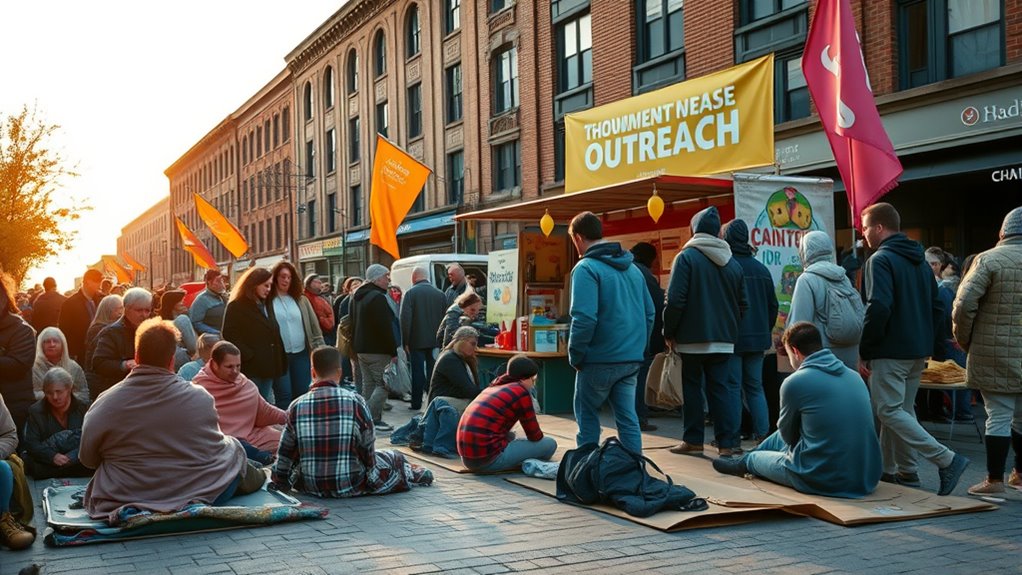

Missouri is tackling homelessness through programs that focus on expanding shelter capacity and improving mental health support, though challenges like limited funding, outdated facilities, and bureaucratic hurdles remain. Efforts include building new shelters, increasing access to counseling, and coordinating with nonprofits and government agencies. While progress is steady, systemic barriers slow down large-scale solutions. By exploring this issue further, you’ll discover how Missouri continues to develop initiatives to make lasting change.
Key Takeaways
- Missouri is expanding shelter capacity despite funding and logistical challenges to accommodate rising homelessness.
- The state recognizes shelter infrastructure issues and is pursuing initiatives to improve and expand facilities.
- Mental health programs are integrated to address underlying issues contributing to homelessness, with efforts to enhance access.
- Funding limitations and bureaucratic barriers hinder large-scale, long-term solutions to homelessness in Missouri.
- Local communities are developing programs and seeking grants to improve shelter and mental health services, aiming for sustainable solutions.
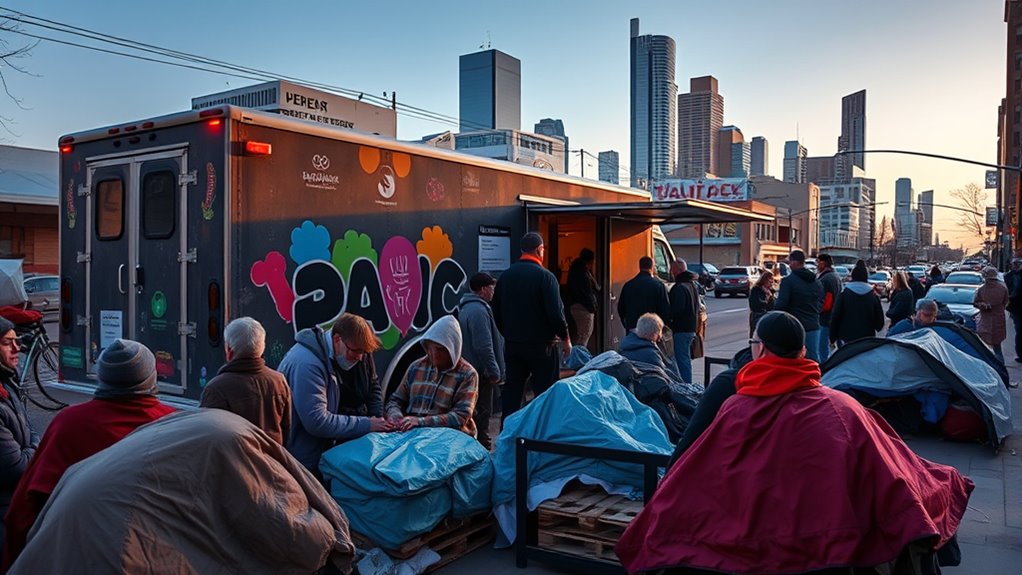
Missouri faces ongoing challenges in addressing homelessness, despite efforts to develop effective programs. One of the most pressing issues is the state’s shelter infrastructure, which struggles to keep pace with the rising demand. Many shelters are overcrowded, underfunded, or poorly maintained, leaving vulnerable individuals without safe places to stay. You might notice that some facilities lack the resources needed to provide extensive support, such as beds, hygiene facilities, or storage. This gap in shelter infrastructure makes it difficult for people experiencing homelessness to find stable, secure accommodation, especially during extreme weather conditions. The state has recognized this problem and has been working to expand and improve shelter facilities, but progress remains slow due to budget constraints and logistical hurdles. Strengthening shelter infrastructure is essential, not just for providing immediate relief but also for creating pathways to permanent housing.
Mental health initiatives play an essential role in Missouri’s approach to tackling homelessness. Many individuals on the streets or in shelters suffer from untreated mental health conditions, which can be a significant barrier to gaining stability. You might see that mental health initiatives aim to connect these individuals with counseling, medication management, and support services, helping them address underlying issues that contribute to homelessness. However, access to mental health care remains inconsistent across the state, with some communities lacking specialized providers or resources. Coordinating mental health initiatives with other support services, such as addiction treatment or job placement programs, is vital. These efforts not only improve individual well-being but also reduce the likelihood of repeat homelessness, creating a more sustainable approach.
Despite the recognition of these issues, progress is often hampered by limited funding and bureaucratic challenges. The state’s efforts to boost shelter infrastructure and expand mental health initiatives require ongoing investment and coordination among local agencies, nonprofits, and government entities. You may observe that local communities are stepping up by establishing their own programs or seeking grants to improve services. Still, systemic barriers persist, making it difficult to implement large-scale, long-term solutions swiftly. Addressing homelessness in Missouri demands a multifaceted strategy that combines expanding shelter capacity, enhancing mental health support, and ensuring these programs are accessible and adequately funded. Only through an extensive and persistent effort can the state hope to mitigate the ongoing challenges and create a more equitable future for its most vulnerable residents.
homeless shelter beds
As an affiliate, we earn on qualifying purchases.
As an affiliate, we earn on qualifying purchases.
Frequently Asked Questions
How Is Missouri Measuring Homelessness Reduction Success?
Missouri measures homelessness reduction success through data collection and success metrics. You can look at the number of people housed, shelter occupancy rates, and recidivism rates. These indicators help you gauge progress over time. By analyzing this data regularly, you can see if initiatives are effective and adjust strategies accordingly. Success metrics provide a clear picture of how well Missouri is improving conditions for its homeless population.
What Funding Sources Support Homeless Programs in Missouri?
You’ll find that Missouri supports homeless programs through diverse funding streams, including federal grants like the McKinney-Vento and HUD programs. State and local government budgets also contribute, often via housing partnerships that pool resources for affordable housing and services. These combined funding sources enable Missouri to fund shelters, outreach, and supportive services, aiming to reduce homelessness and improve stability for those in need.
How Do Programs Address Mental Health Among the Homeless?
Think of mental health services as a lifeline thrown to those in rough waters. You’ll find therapy programs tailored for the homeless, offering counseling and support to address issues like depression and anxiety. These programs aim to stabilize mental health, helping individuals regain control. By providing accessible mental health services, Missouri works to break the cycle of homelessness, ensuring vulnerable populations get the support they need to rebuild their lives.
Are There Specific Initiatives for Homeless Youth in Missouri?
Yes, Missouri has specific initiatives for homeless youth. You’ll find youth outreach programs that connect young people with essential services and resources. Education support is also a focus, helping homeless youth stay in school and access educational opportunities. These programs aim to provide stability and prevent long-term homelessness by addressing the unique needs of young people experiencing homelessness, ensuring they receive the help they need to build a better future.
How Does Missouri Coordinate With Federal Homelessness Efforts?
Think of Missouri’s efforts as a symphony, where interagency collaboration acts as the conductor guiding diverse players. You’ll find the state working closely with federal agencies, leveraging federal grants to bolster local programs. This coordination guarantees resources are aligned, policies are unified, and efforts are harmonized. By syncing with federal initiatives, Missouri amplifies its impact, creating a more effective response to homelessness that resonates across communities and reaches those in need.
mental health support for homeless
As an affiliate, we earn on qualifying purchases.
As an affiliate, we earn on qualifying purchases.
Conclusion
You can see Missouri’s efforts make a difference, with programs helping thousands find stability. However, over 10,000 people experience homelessness each night, highlighting ongoing challenges. While initiatives like rapid rehousing show promise, there’s still work to do to reduce these numbers further. Keep supporting and advocating for these programs so more Missourians can find safe, stable housing and break free from homelessness. Every effort counts in creating lasting change.
homelessness aid programs
As an affiliate, we earn on qualifying purchases.
As an affiliate, we earn on qualifying purchases.
temporary shelter supplies
As an affiliate, we earn on qualifying purchases.
As an affiliate, we earn on qualifying purchases.