Missouri’s gas tax provides essential funding for infrastructure projects that improve your community’s roads, bridges, and public transit. These funds help maintain safety, reduce travel costs, and support innovative, eco-friendly initiatives. They also attract businesses and foster economic growth. Public-private partnerships boost project efficiency, while sustainable practices guarantee long-term benefits. To learn how these investments shape your state’s future and create lasting opportunities, explore further.
Key Takeaways
- Missouri’s gas tax funds maintenance, repair, and safety improvements for roads, bridges, and public transportation systems.
- Revenue from the gas tax supports strategic infrastructure projects promoting sustainability and economic growth.
- Public-private partnerships leverage private investment to accelerate infrastructure development and innovation.
- Funds are allocated to both immediate needs and long-term projects that enhance community vibrancy and resilience.
- Investments focus on environmentally friendly practices, green technologies, and systems that ensure sustainable development.
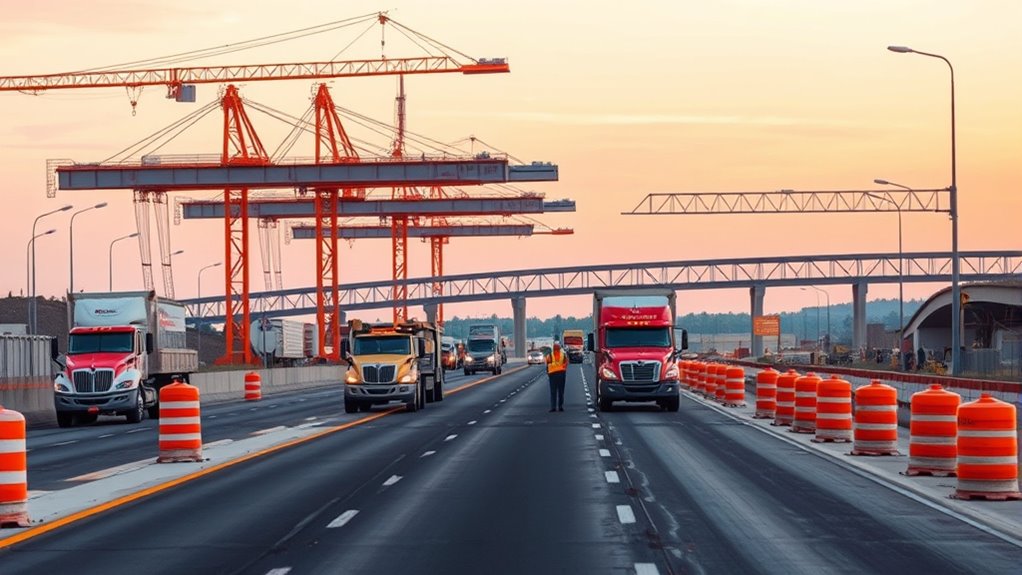
Have you ever considered how investing in infrastructure can transform communities and boost economic growth? When you think about Missouri’s gas tax and the funds it generates, it’s clear that these resources play a vital role in shaping the state’s development. The revenue from gas taxes is primarily used to maintain and improve roads, bridges, and public transportation systems, guaranteeing safer and more efficient travel for everyone. But beyond just repairs, these funds also support innovative projects that promote sustainable development, which balances economic progress with environmental stewardship.
One of the key ways Missouri maximizes its infrastructure investments is through public-private partnerships (PPPs). These collaborations involve government agencies teaming up with private companies to fund, build, and operate infrastructure projects. When you see new highways, transit systems, or renewable energy facilities popping up, many of these are made possible through PPPs. They allow the state to leverage private sector expertise and capital, reducing the burden on public budgets while accelerating project delivery. This approach not only improves infrastructure more rapidly but also encourages efficiency, innovation, and long-term sustainability.
Missouri’s public-private partnerships boost infrastructure projects through private expertise and funding, ensuring faster, more innovative development.
Investing in sustainable development means Missouri focuses on projects that meet current needs without compromising future generations’ ability to do the same. This involves integrating environmentally friendly practices into infrastructure planning and construction. For example, the state might prioritize green building techniques, use recycled materials, or incorporate energy-efficient systems into new developments. By doing so, Missouri aims to reduce its carbon footprint and promote resilience against climate change, all while supporting economic growth. These efforts demonstrate a forward-thinking approach that recognizes infrastructure’s role in creating a healthier environment and more vibrant communities.
Funds from Missouri’s gas tax are carefully allocated to guarantee they support both immediate needs and long-term goals. Routine maintenance keeps roads smooth and safe, while strategic investments in innovative projects foster economic opportunities. For instance, upgrading transportation corridors can attract new businesses and tourism, directly benefiting local economies. Furthermore, infrastructure projects that emphasize sustainability can create jobs, reduce costs over time, and improve quality of life for residents. The state’s commitment to these principles ensures that infrastructure investments serve as a foundation for balanced growth. Additionally, understanding the refrigeration cycle and its components can help in maintaining and optimizing systems used in various infrastructure developments.
eco-friendly road repair materials
As an affiliate, we earn on qualifying purchases.
As an affiliate, we earn on qualifying purchases.
Frequently Asked Questions
How Are Gas Tax Revenues Allocated Among Different Infrastructure Projects?
You’ll find that gas tax revenues in Missouri are allocated to essential infrastructure projects like road maintenance and bridge repair. A significant portion funds the upkeep of highways, ensuring smooth travel, while another part targets repairing and strengthening bridges for safety. This allocation helps keep transportation efficient and safe, directly benefiting your daily commute and long-term infrastructure resilience. The funds are carefully distributed to address priority needs across the state.
What Measures Ensure Transparency in Infrastructure Fund Spending?
You can guarantee fund transparency and maintain spending accountability by reviewing Missouri’s public reports and financial statements regularly. Local agencies often publish detailed budgets, project updates, and audits that show exactly how gas tax revenues are allocated. Additionally, participating in public meetings and using online portals helps you stay informed. These measures keep the process transparent, allowing you to see that funds are used properly and effectively for infrastructure projects.
How Does Missouri’s Gas Tax Compare to Neighboring States?
Compared to neighboring states, Missouri’s gas tax is moderate, but rising fuel efficiency means fewer gallons sold, reducing revenue. You might feel frustrated knowing that alternative funding sources are needed to maintain infrastructure without overburdening drivers. While states like Kansas and Illinois have higher taxes, Missouri balances affordability with infrastructure needs, yet you can’t ignore that declining fuel sales challenge long-term funding, urging innovative solutions for sustainable roads and bridges.
Are There Plans to Increase the Gas Tax in Missouri?
Missouri is considering plans to increase the gas tax to boost funding for infrastructure projects. This move aims to find alternative funding sources and address aging roads and bridges. You should know that these increases also focus on minimizing environmental impact by funding eco-friendly projects. While some support this change, others worry about the financial burden on drivers. Overall, the state is exploring options to improve infrastructure sustainably.
How Does Infrastructure Investment Impact Local Communities Economically?
When infrastructure investment happens, you see urban renewal and job creation in your community. Improved roads, bridges, and transit attract new businesses, boosting local economies. As construction and maintenance projects start, more jobs become available, helping residents find employment. These upgrades also enhance safety and accessibility, making your neighborhood more vibrant and attractive. Overall, investing in infrastructure directly benefits your community by fostering economic growth and improving quality of life.
public transportation maintenance tools
As an affiliate, we earn on qualifying purchases.
As an affiliate, we earn on qualifying purchases.
Conclusion
By understanding how Missouri’s gas tax funds are invested, you can see the real impact on your community. For example, over $1 billion is allocated annually to maintain roads and bridges, ensuring safer and smoother travel. This steady investment not only improves infrastructure but also supports local economies. So, next time you fill up, remember your gas tax is working to build a stronger, more reliable transportation system for everyone.
green building construction supplies
As an affiliate, we earn on qualifying purchases.
As an affiliate, we earn on qualifying purchases.
sustainable infrastructure equipment
As an affiliate, we earn on qualifying purchases.
As an affiliate, we earn on qualifying purchases.