
TL;DR
Prime for Young Adults — start your free trial
Fast free delivery, streaming and member deals for eligible 18–24 year olds.
Try it freeAs an affiliate, we earn on qualifying purchases.
Russia’s veterinary watchdog identified live pseudorabies virus in a batch of dog vaccines. The discovery is linked to multiple animal deaths, prompting investigations into vaccine safety. The incident raises concerns about vaccine contamination and regulatory oversight.
Russia’s veterinary watchdog has confirmed the detection of live pseudorabies virus in a batch of dog vaccines, which is linked to a series of animal deaths. The discovery has prompted urgent investigations and raised concerns over vaccine safety and regulatory oversight in Russia.
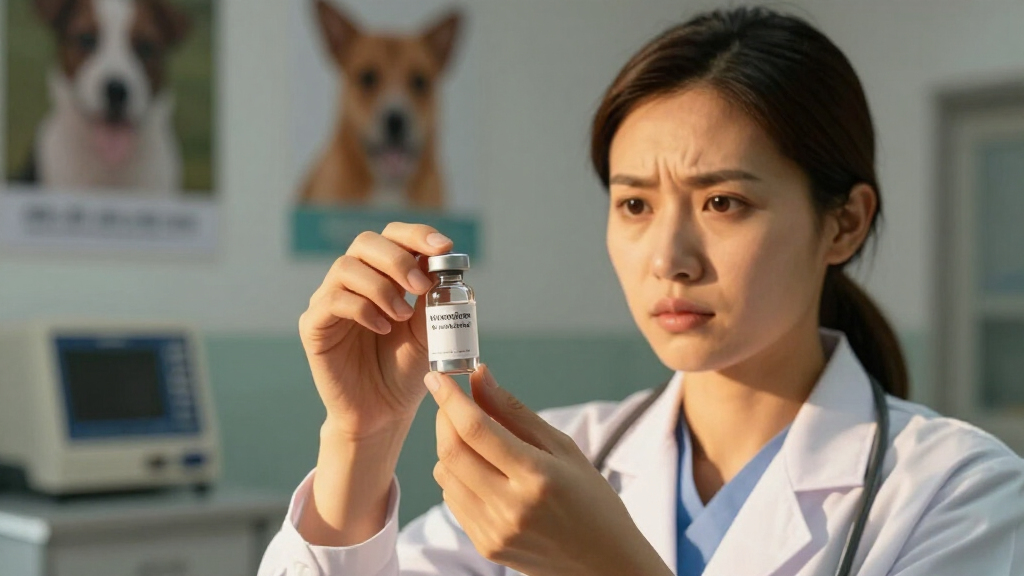
The Russian Federal Service for Veterinary and Phytosanitary Surveillance (Rosselkhoznadzor) announced on March 28, 2024, that laboratory tests identified live pseudorabies virus in a specific batch of canine vaccines. The batch, produced by a domestic pharmaceutical company, was distributed across several regions before the contamination was detected.
According to Rosselkhoznadzor, the contaminated vaccine batch is linked to reports of multiple dog deaths and severe adverse reactions. The agency has temporarily halted the distribution and use of vaccines from this batch and is conducting further testing to confirm the extent of contamination. The affected animals reportedly showed symptoms consistent with pseudorabies, a highly contagious viral disease primarily affecting pigs but also transmissible to dogs and other species.
Vaccine manufacturers and veterinary authorities are cooperating with the investigation. The company responsible for the batch has issued a voluntary recall and is conducting its own internal review. No human health impacts have been reported so far, but authorities are monitoring for potential zoonotic transmission.
Implications for Vaccine Safety and Public Trust
The detection of live pseudorabies virus in a dog vaccine batch raises serious concerns about vaccine safety, manufacturing processes, and regulatory oversight. Such contamination could undermine public confidence in veterinary vaccines, especially amid ongoing debates about vaccine quality control in Russia. The incident also highlights the potential risks of viral contamination in biological products, which could have broader implications for animal health and disease control efforts.
Authorities’ response and transparency will be crucial in managing public perception and preventing further incidents. The event underscores the importance of rigorous testing and quality assurance in vaccine production to avoid similar contamination in the future.
dog vaccine contamination test kit
As an affiliate, we earn on qualifying purchases.
As an affiliate, we earn on qualifying purchases.
Background on Pseudorabies and Vaccine Safety Concerns
Pseudorabies, also known as Aujeszky’s disease, is caused by a herpesvirus primarily affecting pigs but can infect other animals, including dogs. While vaccines are used to control the disease in livestock, contamination of vaccines with live virus is rare but can have serious consequences. Historically, vaccine safety incidents have prompted regulatory reviews and reforms in various countries.
In Russia, vaccine manufacturing has faced scrutiny over quality control standards, with sporadic reports of contamination and adverse events. The current incident involving a dog vaccine batch is the latest in a series of concerns about vaccine integrity and regulatory oversight in the country.
Public interest in vaccine safety has surged amid broader concerns about animal health and the reliability of veterinary medicines, especially as reports of animal deaths linked to vaccines have increased in recent months.
As an affiliate, we earn on qualifying purchases.
Extent of Contamination and Broader Risk Unknown
It is not yet clear how widespread the contamination is beyond the identified batch or whether other vaccine batches are affected. Investigations are ongoing, and the full scope of the contamination, including potential risks to other animals or humans, remains uncertain. Authorities have not yet confirmed if other batches or vaccine types are compromised, and there is no definitive evidence of zoonotic transmission at this stage.
As an affiliate, we earn on qualifying purchases.
Ongoing Investigation and Regulatory Review
Regulatory agencies in Russia are continuing their investigations to determine the source of contamination and whether other vaccine batches are affected. The vaccine manufacturer is conducting its internal review, and additional testing is expected over the coming weeks. Authorities are also monitoring reports of adverse reactions and animal deaths to assess the full impact. Public health officials and veterinary authorities are likely to update guidance as new information emerges.
veterinary vaccine quality control
As an affiliate, we earn on qualifying purchases.
As an affiliate, we earn on qualifying purchases.
Key Questions
Could this contamination affect humans?
There are no confirmed reports of human infections related to this incident. Authorities are monitoring the situation closely but have not indicated any immediate risk to human health.
What is pseudorabies and how serious is it?
Pseudorabies is a contagious viral disease primarily affecting pigs but can infect dogs and other animals. It can cause severe neurological symptoms and death in affected animals. Vaccines are used to control it, but contamination risks can undermine safety.
Are other vaccine batches affected?
It is currently unknown whether other batches are contaminated. Investigations are ongoing, and authorities have only confirmed the presence of live virus in the specific batch reported.
What measures are being taken to address this issue?
Authorities have halted distribution of the affected batch, are conducting tests, and are working with the manufacturer to identify the source of contamination. Additional safety measures are expected as the investigation progresses.
Will this incident impact vaccine regulation in Russia?
The incident may prompt reviews of vaccine manufacturing and regulatory standards. Authorities are likely to reinforce oversight and testing protocols to prevent future contamination.
Source: rss
Fall yard work Picks
leaf blowers
As an affiliate, we earn on qualifying purchases.