
Missouri’s aging infrastructure poses serious safety and economic risks that cannot be ignored. Crumbling roads, weak bridges, and outdated water systems threaten daily life and community well-being. Neglecting repairs leads to higher costs, increased accidents, and urban decay, reducing property values and discouraging investment. Addressing these issues promptly can prevent disasters and restore safety. If you want to understand how urgent repairs can make a difference, keep exploring the critical challenges facing Missouri’s infrastructure.
Key Takeaways
- Missouri’s aging bridges and roads pose safety risks, including collapses and accidents, requiring immediate inspection and reinforcement.
- Deteriorating water and sewer systems threaten public health through leaks and contamination, demanding urgent repairs.
- Urban decay from infrastructure neglect reduces property values and hampers community growth, highlighting the need for prompt action.
- Delayed maintenance leads to higher repair costs and increased safety hazards, emphasizing early intervention to prevent further deterioration.
- Investing in infrastructure repairs restores safety, property values, and community vitality, preventing long-term urban decay in Missouri.

Have you ever wondered what happens when the infrastructure that supports your daily life starts to deteriorate? It’s a gradual process, but one with serious consequences. As roads crack, bridges weaken, and water systems age, urban decay begins to set in. What was once a vibrant, functional city can quickly become a place where safety hazards are everywhere. Potholes in the streets aren’t just a minor inconvenience—they can cause accidents and damage your vehicle. Decaying sidewalks and broken streetlights make neighborhoods less safe, especially at night, increasing the risk of falls, crime, or other incidents. When infrastructure isn’t maintained, it doesn’t just look neglected; it creates a tangible threat to safety and quality of life.
Neglected infrastructure endangers safety and quality of life in our communities.
In Missouri, many parts of the state are grappling with aging infrastructure that’s pushing these issues to the forefront. Bridges that haven’t been properly inspected or reinforced pose a danger of collapse, which could result in tragic accidents. Roads riddled with potholes and uneven pavement make travel hazardous, especially during winter months when ice worsens the damage. Water and sewer lines that are past their prime can leak or burst, contaminating supplies and leading to costlier repairs for communities. These issues aren’t isolated—they compound over time, leading to urban decay that diminishes property values, discourages investment, and makes neighborhoods less appealing. It’s a cycle that’s difficult to break without urgent action.
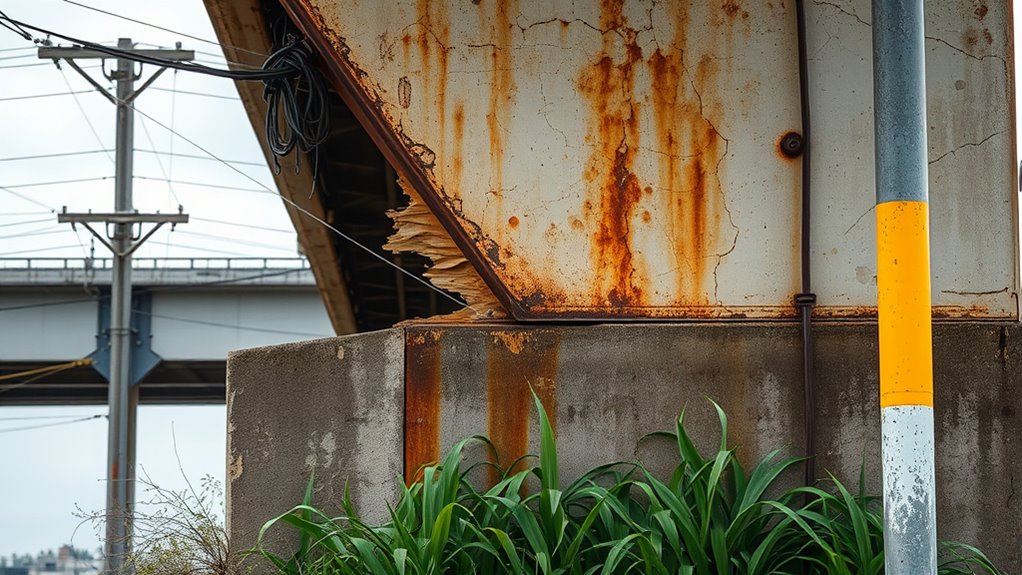
The danger of safety hazards grows with neglect. Rusted railings, unstable structures, and broken traffic signals all contribute to an environment where accidents are more likely. Imagine driving over a bridge that looks worn and neglected—your confidence wanes, and the risk of structural failure becomes a real concern. Sidewalks with cracks and uneven surfaces threaten pedestrians, especially children and the elderly. When infrastructure is left to deteriorate, it’s not just an aesthetic issue; it’s a public safety crisis that demands immediate attention. The longer these problems persist, the more expensive and complicated repairs become, stretching resources thin and risking further urban decay.
Addressing Missouri’s aging infrastructure requires recognizing these safety hazards early and taking swift action. It’s about more than fixing roads or replacing pipes—it’s about safeguarding communities, protecting lives, and restoring the integrity of the places you call home. Recognizing structural deficiencies early can help prevent catastrophic failures and save lives. Ignoring these issues only allows urban decay to deepen, making safety hazards more prevalent and repair costs higher. The time to act is now, before these problems spiral out of control, leaving behind a landscape of decay and danger.

RIVERWELD Bridge Cam Gage Test Ulnar Welding Inspection Gauge Checks Depth of Undercut and Pitting Fillet Weld Throat Size and Length Angle of Preparation Misalignment
Angle of Preparation, 0° to 60° and Excess Weld Metal (capping size)
As an affiliate, we earn on qualifying purchases.
As an affiliate, we earn on qualifying purchases.
Frequently Asked Questions
How Much Funding Is Currently Allocated for Infrastructure Repairs in Missouri?
You should know that Missouri has allocated approximately $1.8 billion for infrastructure repairs this year. However, due to funding allocation challenges and budget shortfalls, this amount may fall short of what’s needed to fix aging roads, bridges, and utilities. As a result, you might experience ongoing disruptions and safety concerns. Addressing these gaps requires increased investment and strategic planning to guarantee Missouri’s infrastructure can support your community’s future needs.
What Are the Economic Impacts of Delaying Infrastructure Repairs?
Delaying infrastructure repairs can lead to costly repairs later, straining your local economy. When repairs are postponed, it causes disruptions, reduces productivity, and increases maintenance costs, fueling economic decline. You might face higher transportation costs, safety issues, and decreased property values. These setbacks hurt businesses and residents alike, making it harder for Missouri to grow. Addressing infrastructure needs now prevents long-term economic decline and keeps your community thriving.
Which Specific Regions in Missouri Are Most at Risk Due to Aging Infrastructure?
Think of Missouri’s infrastructure as a fragile bridge about to collapse. Rural areas and urban centers face the greatest risks; rural regions often lack resources for repairs, while urban centers grapple with aging bridges and roads. Without urgent upgrades, critical facilities may fail, disrupting daily life and economic activity. You should prioritize investments in these vulnerable regions to prevent disaster and make certain of safe, reliable infrastructure for all residents.
How Does Aging Infrastructure Affect Public Safety in Missouri Communities?
Aging infrastructure puts your community’s public health at risk and hampers emergency preparedness. You might face increased accidents from collapsing bridges or failing roads, and water systems could introduce health hazards. These issues strain emergency services and delay response times during crises. By addressing infrastructure deterioration now, you help guarantee safer, healthier environments and bolster your community’s ability to respond effectively to emergencies.
What Innovative Solutions Are Being Considered to Modernize Missouri’s Infrastructure?
You’re about to see Missouri embrace groundbreaking ideas like smart bridges, equipped with sensors to monitor structural health in real-time, preventing disasters before they happen. Green technology also plays a vital role, introducing eco-friendly materials and renewable energy solutions to modernize infrastructure sustainably. These innovations promise safer, more resilient communities, transforming the way you experience transportation and public safety. Stay tuned, because the future of Missouri’s infrastructure is about to change dramatically.

Travel Comfortably – Heavy Duty Adhesive | Emergencys Roadside Kit, Super Viscosity Tirre Scratch Repairr Tool for Repairing Cracks, Flaking, Potholes, and Scratches on Tires
Extended Tire Life: Instantly repair tire cracks with our high viscosity adhesive, s ensuring a resilient bond for…
As an affiliate, we earn on qualifying purchases.
As an affiliate, we earn on qualifying purchases.
Conclusion
You can’t ignore the signs of aging infrastructure. You can’t delay the repairs that are long overdue. You can’t afford to wait until problems become emergencies. You must act now to rebuild, to repair, to restore Missouri’s essential systems. Because neglect only worsens the damage, and inaction only deepens the crisis. It’s time to prioritize, to invest, to guarantee a safer, stronger future for your community. The choice is clear—address the issues today, or face the consequences tomorrow.
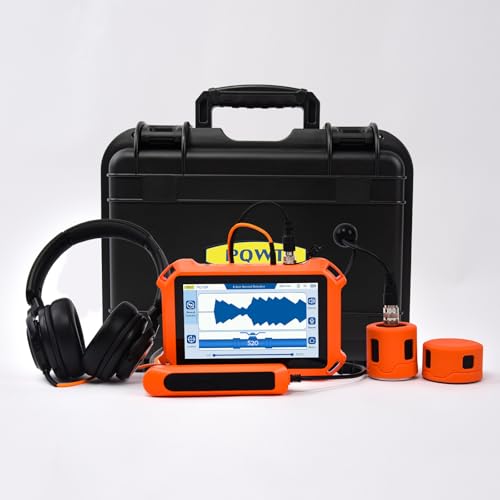
PQWT Underground Water Leak Detectors for Home PQ125A Wall Pipe Water Leakage Detection with Touchscreen Earphone and Carrying Case Multi Sensor Acoustic Pipeline Sound Intensifier
[Simple Operation] The PQ125A water leak detectors for home utilizes a factory-developed UI interaction system. Its touchscreen displays…
As an affiliate, we earn on qualifying purchases.
As an affiliate, we earn on qualifying purchases.

Small Mobile Asphalt Mixing Plant for Urban Road Repair and Infrastructure Maintenance, Portable Design Enables Efficient RAP Mixing Across Job Sites
PLEASE NOTE: This product has multiple models and supports customization. The prices listed are not final. We provide…
As an affiliate, we earn on qualifying purchases.
As an affiliate, we earn on qualifying purchases.